Gemfields Sapphires: A Collector’s and Investor’s Guide
Summary: Sapphires from the Gemfields are collectable gemstones. Value depends on color, clarity, carat weight, and certification. Buyers should understand market basics before purchasing as collectibles.
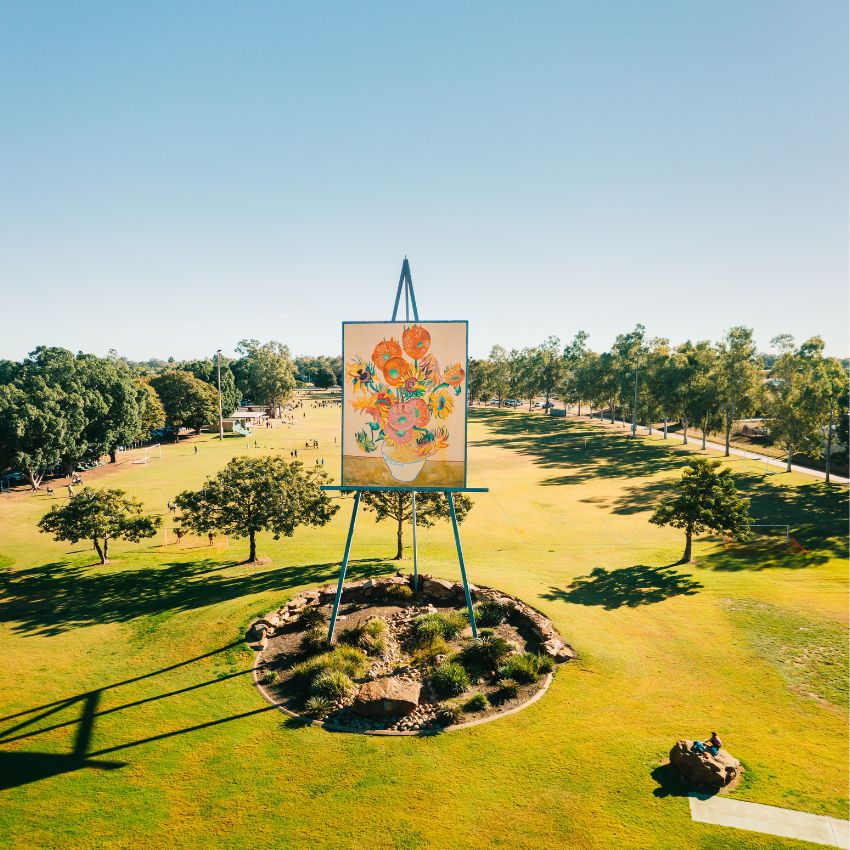
The Gemfields region near Emerald is famous for sapphires. The area has been producing sapphires for over a century, and the landscape itself—red soil, open mining areas, dealers’ shops—reflects this history. For visitors interested in gemstones, the Gemfields represent a unique access point to raw materials and direct dealing.
Understanding Sapphire Value: Sapphires are graded on the same foundation as diamonds—the four Cs: color, clarity, carat weight, and cut. However, sapphire value isn’t as standardized as diamond value. Quality varies significantly within the category.
Color is paramount. Pure blue sapphires are most valuable. Secondary colors include pink, yellow, and orange sapphires, which have distinct market valuations. The Gemfields produce primarily blue and pink sapphires. Depth and saturation of color matter enormously. A vivid, deep blue commands premium prices. A pale blue is significantly less valuable.
Clarity matters, but sapphires typically have inclusions. Completely clear sapphires are rare and valuable. Visible inclusions reduce value, but light inclusions are normal and expected.
Carat weight follows standard metric. Larger stones command premium pricing per carat, similar to diamonds.
Cut affects the apparent color and light reflection. Well-cut stones appear more vibrant. Poor cutting diminishes appearance even with good underlying material.
The Gemfields Context: Gemfields sapphires are produced by small-scale mining, both commercial and hobby. The stones are sold through dealers, on-site, and through various channels. Unlike major commercial operations, Gemfields sapphires often come with less documentation and certification than commercial sources.
Certification: Professional gemstone certification comes from organizations like the Gemological Institute of Australia (GIA). A certified sapphire includes formal grading of color, clarity, weight, and origin. For investment-grade stones, certification matters. Without certification, value assessment relies on dealer knowledge and buyer trust.
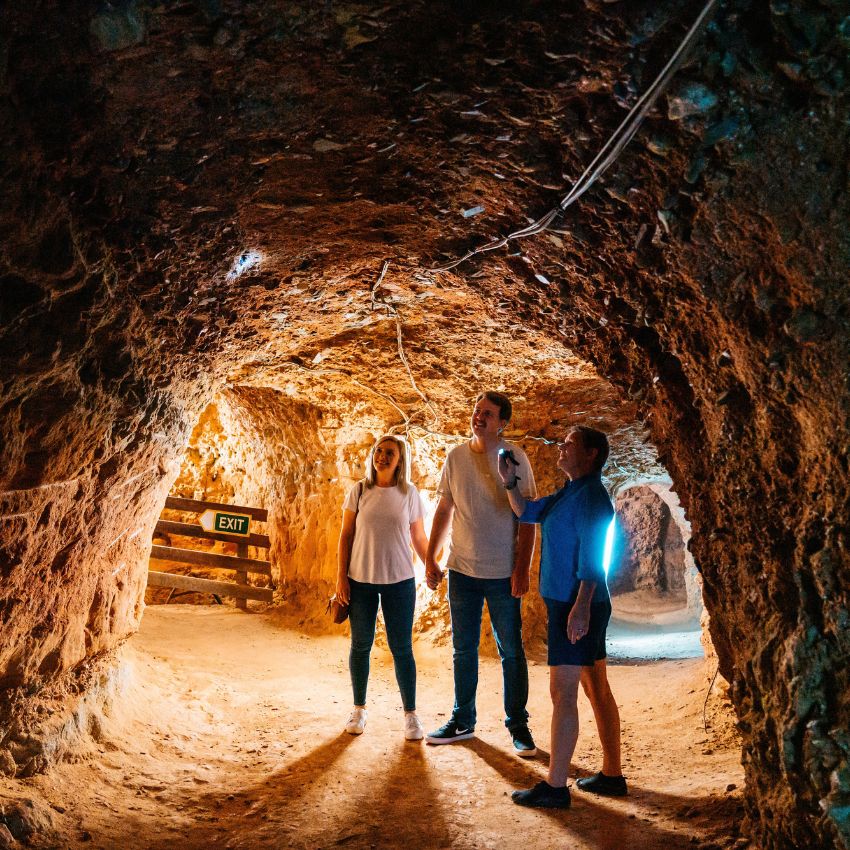
Buying at the Gemfields: The Gemfields experience is direct—you visit working mines, speak with dealers, see stones in-person. This immediacy appeals to visitors. Prices at Gemfields are typically lower than retail because there’s no retail markup. However, without certification, you’re relying on the dealer’s word regarding quality.
The practical reality: small stones (under two carats) without certification are typically purchased as souvenirs or personal collectibles, not investments. Their resale value is limited without documentation. Larger stones or collections can have investment value, particularly if certified.
Retail vs Gemfields Comparison: A sapphire purchased at a Gemfields dealer for $500 might retail for $800-1200 with certification and retail markup. The Gemfields pricing advantage is real. However, reselling a non-certified stone is difficult; retail jewellers discount heavily for stones without provenance.
Practical Guidance for Visitors: If you’re interested in sapphires:
– Understand that small stones are typically personal collectibles, not investments
– Ask dealers about certification options
– Larger stones warrant professional grading
– Consider your actual intention: personal collection or investment portfolio
– Budget honestly—don’t spend more than you’d be comfortable losing if resale is difficult
– Understand that colored gemstones are less liquid than diamonds; selling requires finding appropriate buyers
The Investment Perspective: Sapphires as an investment category are less stable than precious metals or diamonds. Market demand fluctuates. Without professional grading and certification, resale is complicated. Investment-grade sapphires typically involve larger stones, professional certification, and significant capital. Casual Gemfields purchases are better viewed as memorable souvenirs than portfolio investments.
The Emotional Value: Many visitors buy Gemfields sapphires because the story matters. You purchased a stone at the source, from the ground that produced it. This emotional and historical value is legitimate even if financial investment value is limited.
The Bottom Line: Gemfields sapphires are genuine gemstones produced in a distinctive region. Understanding market basics helps you make informed purchases. Small stones without certification are collectibles and souvenirs. Larger stones warrant certification if investment is your goal.