Why Winter Is the Best Season in the Central Highlands
Why Winter Is the Best Season in the Central Highlands
If you’re planning when to visit the Central Highlands, consider winter—May through August. It’s objectively superior to other seasons for the majority of visitor activities.
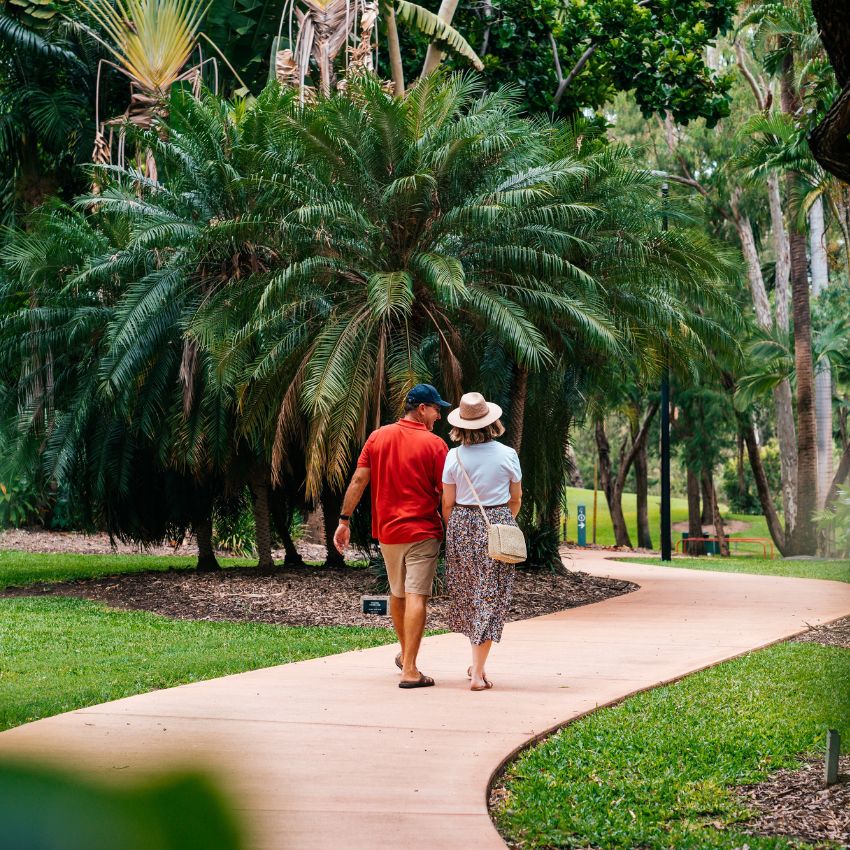
Temperature perfection: Winter daytime temperatures hover between 18-24°C. This is genuinely perfect for activity. You’re neither sweating through shirt in heat nor shivering in cold. You can hike for hours without overheating. You can sit outdoors in shade without discomfort. The temperature invites activity rather than discouraging it.
Humidity absence: Summer humidity, while less extreme than coastal Queensland, still affects how you experience landscape. Winter’s dry air feels lighter, clearer. Breathing is easier. The psychological sense of airiness matters more than people expect. Even modest humidity reduction transforms comfort dramatically.
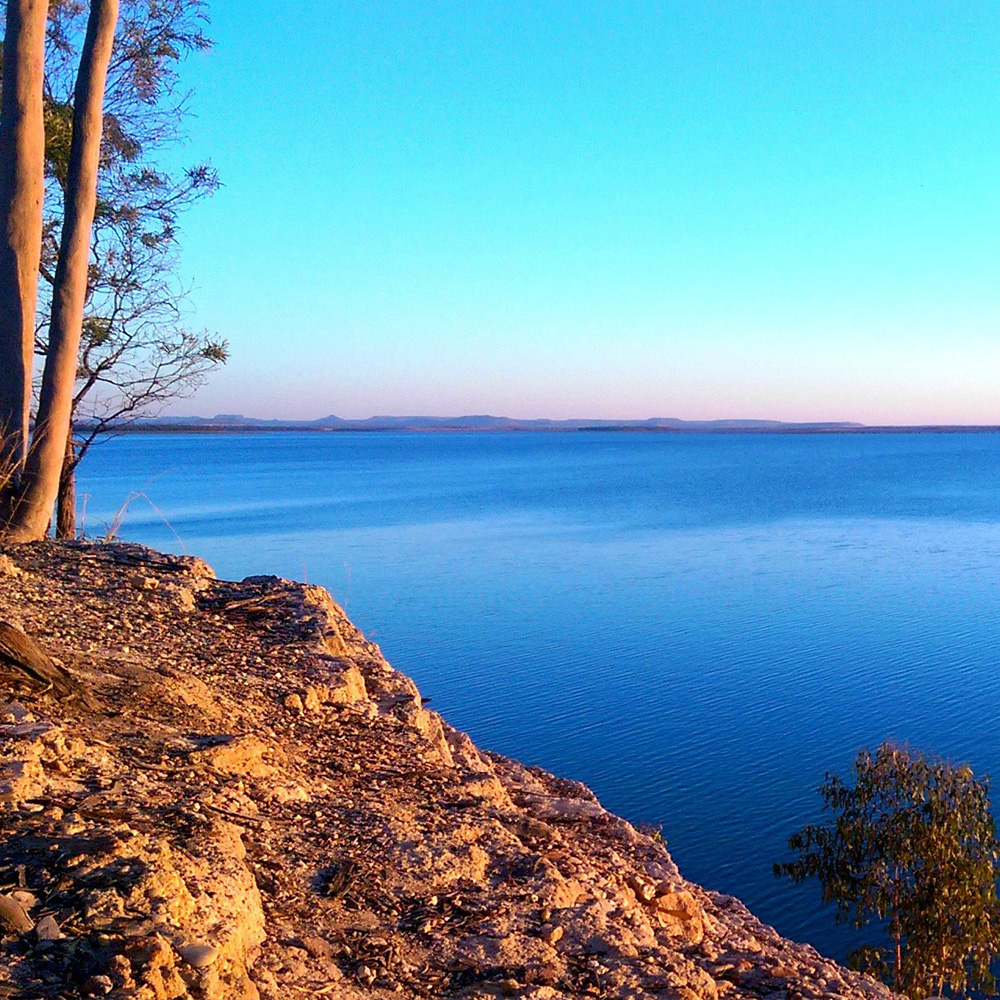
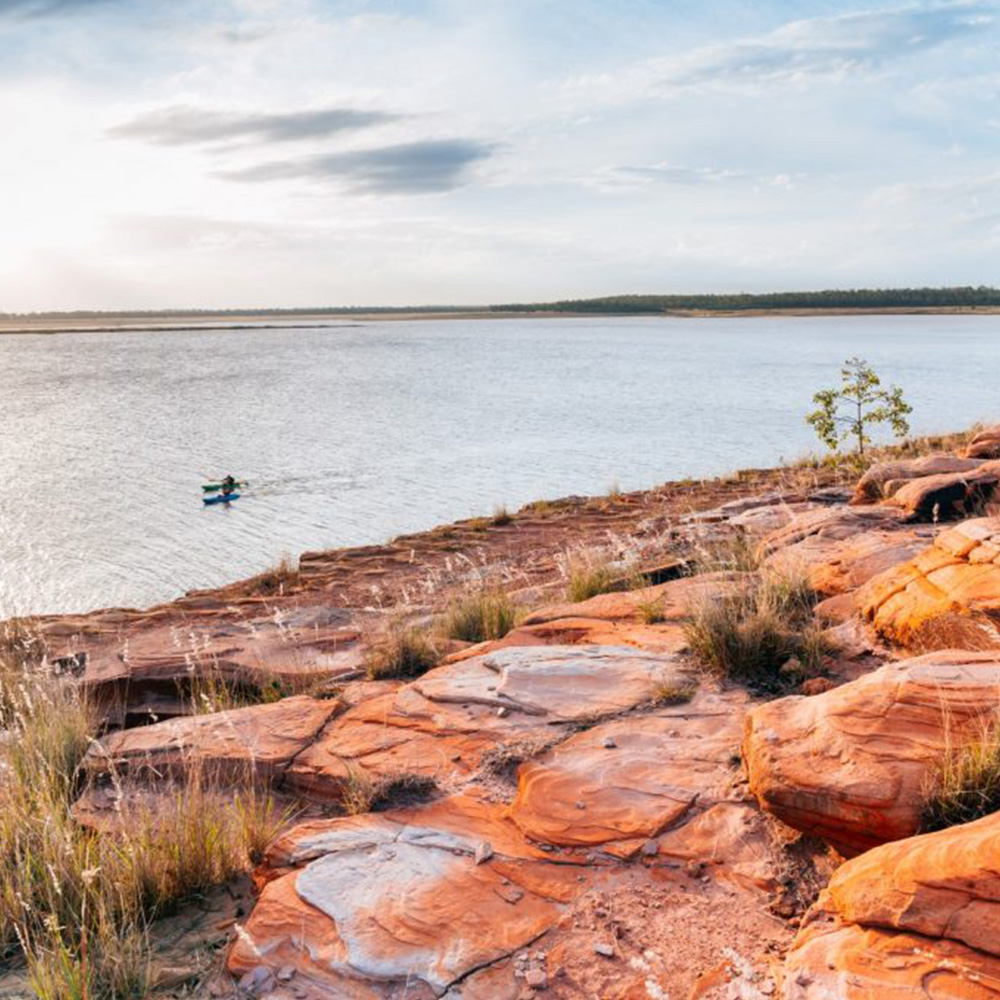
Clarity and light: Winter skies are reliably clear. Summer’s afternoon thunderstorms, while impressive, bring reduced visibility. Winter’s light is clearer, crisper, and more consistent. Photography light is superior. Visibility in gorges and across landscapes is better. You can see further and more clearly.
Carnarvon Gorge at best: The gorge is genuinely best experienced in winter. The creek crossings are manageable; the water temperature is crisp but not brutal. Trail conditions are better—muddy summer sections dry out. You can spend hours without overheating. The experience is exponentially better than summer visits.
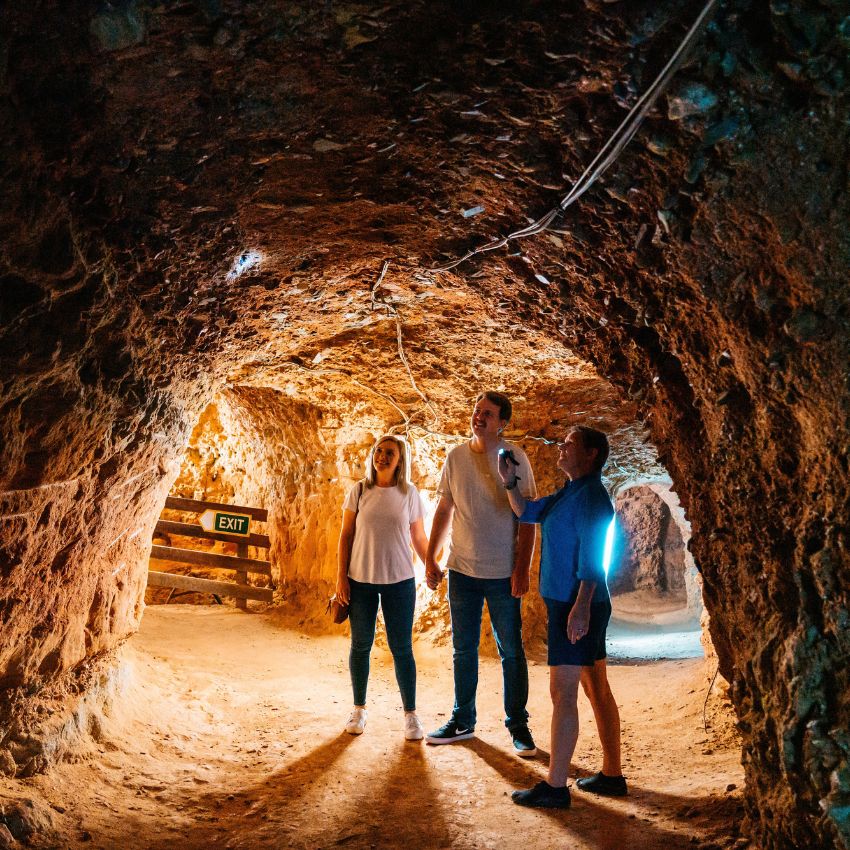
Fossicking comfort: Winter fossicking is genuinely more pleasant. You’re not battling heat while crouching over a hole. You’re not fighting dehydration. You can focus on the activity rather than on managing environmental stress.
Outdoor dining: Regional Queensland’s most appealing restaurants benefit from winter weather. Dining outdoors, rather than in air conditioning, is genuinely pleasant. The evening air is cool but not cold. You can linger over meals without discomfort.
Wildlife accessibility: Winter is when native animals are most active—birds are visible, cooler temperatures encourage activity. Birdwatching is better. Wildlife viewing generally is better. This reflects basic ecology: animals are more active in cooler conditions.
Seasonal events: Winter brings events—community markets, seasonal festivals, organised activities. These cluster in comfortable months. Summer events exist but are fewer and less well-attended due to heat.
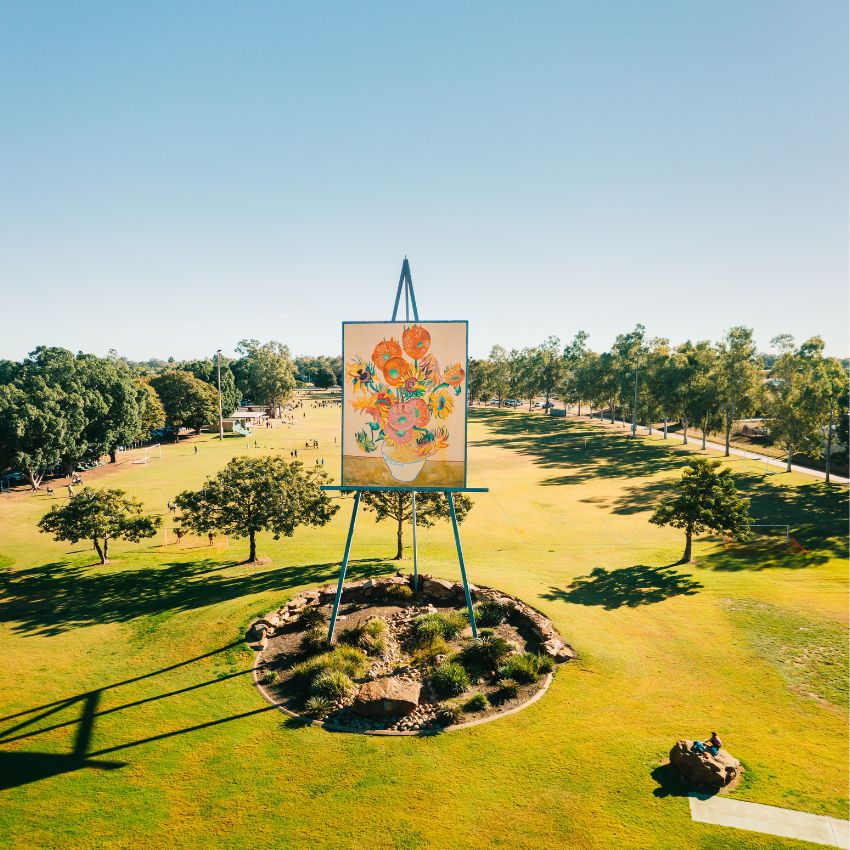
The mineral difference: Winter brings clear skies and dry conditions—ideal for sunflower photography in late season. The light conditions are superior for all landscape photography. If you’re visiting specifically for visual documentation, winter is objectively better.
Accommodation and pricing: Winter isn’t peak season for tourism. This means prices are often lower and accommodation is more readily available. You get better rates and less crowding. The trade-off between weather advantage and reduced tourism pressure is excellent.
The case against other seasons: Summer heat (40°C+) discourages activity. Spring and autumn weather is variable—storms are common, conditions are inconsistent. Winter’s reliability and comfort are genuinely superior for visitor experience.
The realistic assessment: If you can choose when to visit, choose winter. May through August offers the best combination of comfortable temperatures, clear conditions, accessible activities, and genuine quality of life. The region is genuinely best experienced during these months.