What Nobody Tells You About Fossicking for Sapphires at Rubyvale
What Nobody Tells You About Fossicking for Sapphires at Rubyvale
Most guides to the Sapphire Gemfields tell you the same things: get a licence, buy a sieve, wash some dirt, find sapphires. What they leave out is everything that determines whether your day at Rubyvale is a memorable adventure or a frustrating exercise in sunburn and disappointment. After watching hundreds of visitors head out to the Gemfields from Emerald, we have picked up a few truths that the brochures conveniently omit.
Your First Hour Will Be Confusing
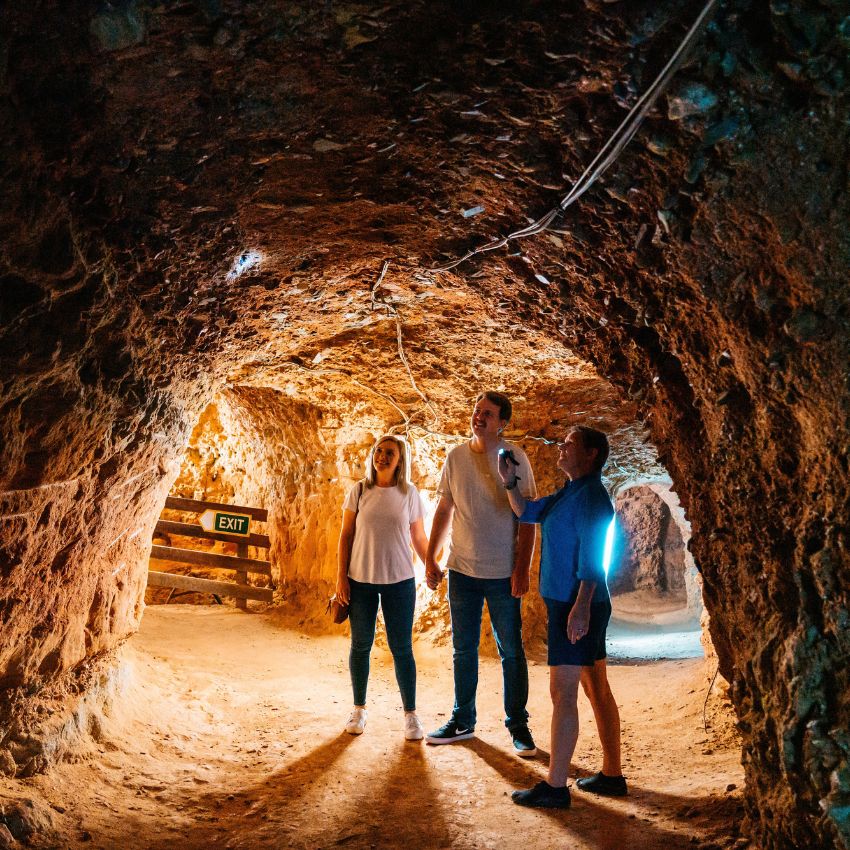
The Gemfields are not a curated tourism experience with clear signage, friendly information desks, and a logical flow from arrival to activity. They are a working landscape — patchy scrubland dotted with old mine shafts, piles of spoil, and hand-painted signs that may or may not point you in a useful direction. If you arrive without a plan, you will spend your first hour driving around dirt tracks trying to figure out where you are actually supposed to dig. This is the single biggest argument for booking a guided tour on your first visit. Not because you cannot figure it out yourself, but because a guide eliminates the wasted time and gets you fossicking productively within minutes of arrival.
Rough Sapphires Look Nothing Like You Expect
This is the fact that catches almost every first-timer. You have a picture in your head of what a sapphire looks like — a brilliant, transparent blue gemstone — and you expect to spot something similar in your sieve. In reality, rough sapphires straight from the ground look like slightly unusual pebbles. They are typically small (5 to 15 millimetres), coated in a dull skin that completely obscures their colour, angular rather than smooth, and virtually indistinguishable from ordinary gravel to an untrained eye. The first time a guide points to a grey-brown lump and says “that’s a sapphire,” you will not believe them until they scratch the surface to reveal a flash of blue underneath.
Learning to spot rough sapphires takes practice and, ideally, instruction. The key identifiers are weight (sapphires are noticeably heavier than ordinary stones of similar size), shape (angular and crystalline rather than rounded by water erosion), lustre (a slightly waxy or greasy sheen), and hardness (sapphire is 9 on the Mohs scale, so it will scratch virtually everything else in your sieve). Once you have handled a few rough sapphires and seen the difference between them and ordinary gravel, your eyes recalibrate and you start spotting them more readily. But that calibration usually takes a guided session or several hours of independent trial and error.
The Dirt Matters More Than the Technique
Fossickers often obsess over technique — the correct sieve angle, the optimal washing motion, the perfect rotation speed. These details matter, but they are secondary to a more fundamental variable: where you are digging. The Gemfields cover a large area, and sapphire distribution is not uniform. Some patches are rich; others are barren. Some areas that were productive last month have been worked out; new spots open up as weather and erosion expose fresh material. The fossickers who consistently find stones are the ones who know which ground is currently producing, and that knowledge comes from experience, observation, and conversation with other fossickers and the gem shop operators.
This is another reason why guided tours have an advantage for first-timers. The guides make their living by putting clients on productive ground, so they actively monitor which areas are producing and adjust their tour locations accordingly. An independent fossicker working blind may spend hours on barren ground without knowing that productive material lies 200 metres away.
Water Is the Limiting Factor
Fossicking is essentially a washing process — you need water to separate the heavy sapphires from the lighter clay and gravel. At some Gemfields locations, water is available from hand pumps, bore-fed troughs, or natural waterholes. At others, you need to bring your own or use dry techniques that are slower and less effective. Understanding the water situation at your chosen fossicking area before you start digging saves frustration. If you are driving out independently, bring at least 20 litres of water in addition to your drinking water — you will use it faster than you expect.
The Best Finds Are Often Small
First-timers tend to scan their sieves for large, obvious stones and overlook the smaller material. In practice, many of the best sapphires found at the Gemfields are modest in size — 5 to 8 millimetres in rough form — but high in colour and clarity. A small, clean, deeply coloured stone is more valuable and more beautiful when cut than a large, included, pale one. The gem cutters in Rubyvale can assess rough stones and advise which of your finds have the best potential, often surprising new fossickers by selecting a small stone they almost discarded as the pick of their collection.
You Will Get Dirty, and That Is Part of It
The Gemfields are red dirt, clay, and dust. No matter how carefully you approach the activity, you will end up with dirt under your fingernails, clay on your clothes, and red dust in places you did not know dirt could reach. This is not a complaint — it is part of the experience, and the people who enjoy fossicking most are the ones who embrace the mess rather than trying to stay clean. Wear clothes you do not care about, bring a change of clothes for the drive home, and accept that your shoes will never quite be the same colour again.
Afternoon at the Gem Shops Is Half the Experience
Many visitors treat the gem shops in Rubyvale as an afterthought — a quick browse before heading back to Emerald. This is a mistake. The shops display cut sapphires of extraordinary quality and variety, from deep blue classics to rare parti-coloured stones that shift between blue, green, and gold depending on the light. The shop operators are knowledgeable and generally happy to explain what makes a good sapphire, how stones are graded, and what your rough finds might look like after cutting. Several shops also offer jewellery-setting services, so you can have a stone you found that morning set into a ring or pendant within days. The combination of finding your own rough stone, having it cut, and wearing it as jewellery is an experience that is genuinely unique to the Gemfields.
The Drive Back Is Better Than the Drive Out
There is something about the 45-minute drive from Rubyvale back to Emerald at the end of a fossicking day that is qualitatively different from the morning drive out. You are tired in a good way, your hands still smell of earth, there are rough sapphires in a container on the dashboard, and the afternoon light across the Central Highlands plains has a warmth and depth that the morning light lacks. It is one of those quiet moments that travel provides when you least expect it, and it consistently catches people off guard.