How to Spend a Rainy Day in Emerald
What Makes Emerald Different from Other Mining Towns
Travel through the Bowen Basin and you will pass through several towns that exist primarily because of coal mining — Blackwater, Moranbah, Dysart, Middlemount. Each has its own character, but they share a common profile: relatively small, heavily dependent on a single industry, with limited services and the transient feel of communities shaped by roster cycles. Emerald sits within this mining landscape but feels distinctly different, and the reasons why matter for visitors choosing where to base themselves.
Diversified Economy
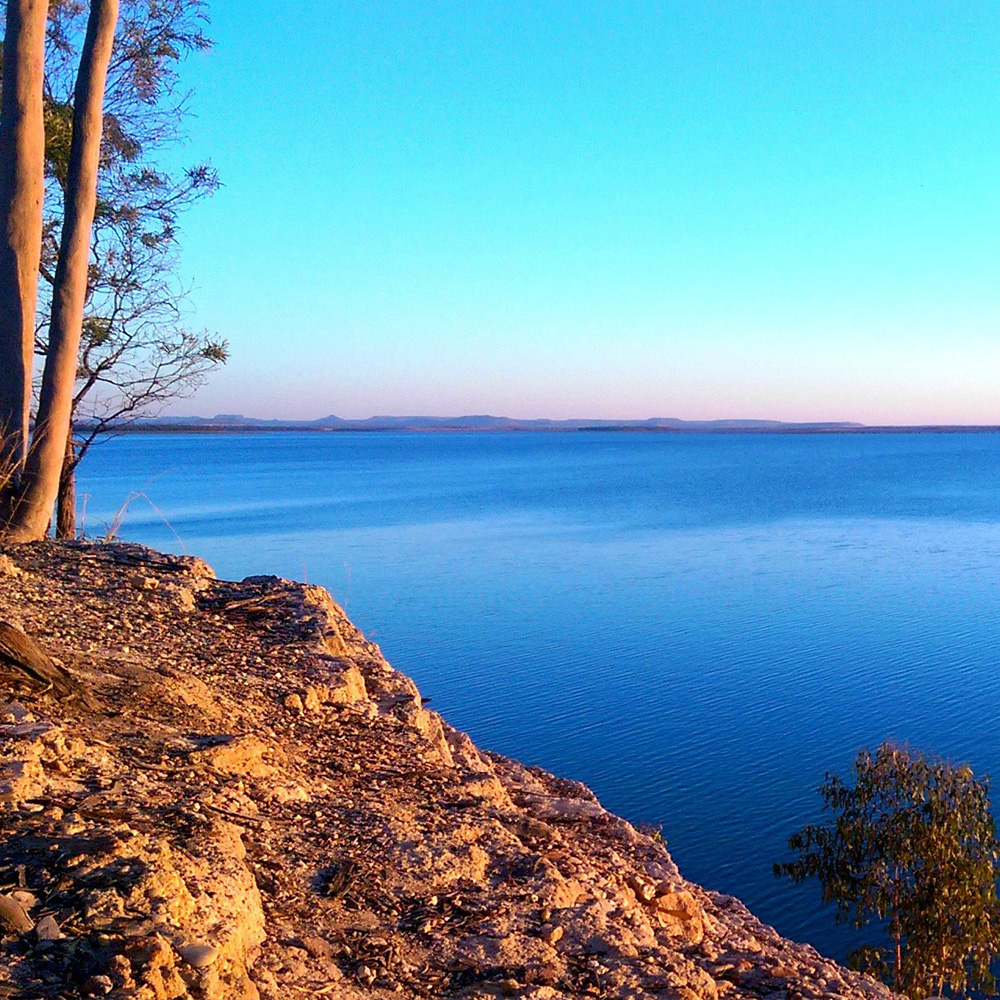
The most significant difference is economic breadth. While mining is important to Emerald’s economy, the town is not a single-industry settlement. Agriculture — cattle, cotton, grain, sunflowers — predates mining by a century and continues to underpin the region. Emerald serves as the administrative and service centre for the Central Highlands Regional Council, providing government employment across education, health, police, and various state agencies. Tourism, driven primarily by the Sapphire Gemfields and Fairbairn Dam, adds a further economic layer. This diversification gives Emerald a stability and completeness that single-industry towns lack — during mining downturns, the other sectors continue to function, and the town’s character does not collapse along with commodity prices.
Size and Services
With a population of approximately 14,000, Emerald is significantly larger than the dedicated mining towns and functions as a proper regional centre rather than a mining camp with amenities. Two major supermarkets, multiple pubs and restaurants, a hospital, dental and medical services, schools from primary through to senior, a cinema, aquatic centre, library, and sporting facilities all operate in Emerald. This service level means that visitors and long-stay workers have access to a functional town experience rather than the minimal-services real