Five Mistakes First-Time Visitors Make in Emerald (and How to Avoid Them)
Five Mistakes First-Time Visitors Make in Emerald (and How to Avoid Them)
Emerald is a straightforward town, but it has its own rhythms and realities that are not immediately obvious to visitors arriving from the coast or the city. Here are five mistakes we see first-time visitors make regularly, and how to avoid each one.
Mistake 1: Underestimating the Heat
This is the most common and the most dangerous. Visitors from Brisbane, Sydney, or Melbourne know intellectually that Emerald is hot, but the reality of Central Queensland heat — particularly in summer — is something that has to be experienced to be fully understood. We are not talking about a pleasant 30-degree beach day. We are talking about 38 to 42 degrees with humidity, sun that feels physically aggressive, and air that hits you like opening an oven door when you step outside an air-conditioned building.
The mistake manifests in two ways. First, visitors plan outdoor activities — fossicking, bushwalking, fishing — for the middle of the day, arrive at the Gemfields at 11am, and spend three hours in full sun without adequate water or shade. The result is heat exhaustion, sunburn, or simply a miserable experience that colours their entire impression of the region. Second, visitors underestimate how much water they need. Two litres per person per day sounds like plenty until you are physically active in 38-degree heat, at which point you can go through that in two hours.
The fix is simple. Schedule outdoor activities for early morning (before 9am) and late afternoon (after 4pm). Use the middle of the day for indoor activities, meals, and rest. Carry a minimum of three litres of water per person for any outdoor excursion, more in summer. Wear a hat, sunscreen, and sun-protective clothing. And take the heat seriously — heatstroke is a genuine medical emergency, not merely an inconvenience.
Mistake 2: Trying to See Everything in One Day
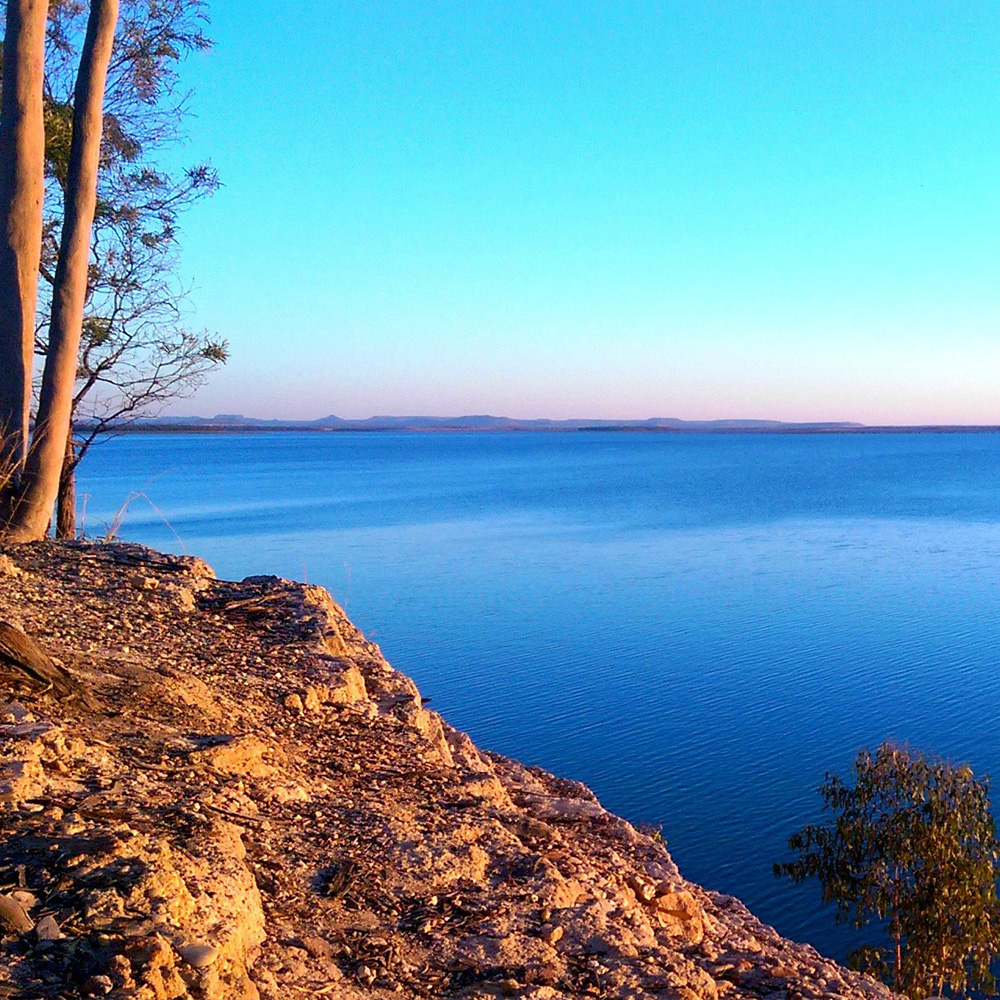
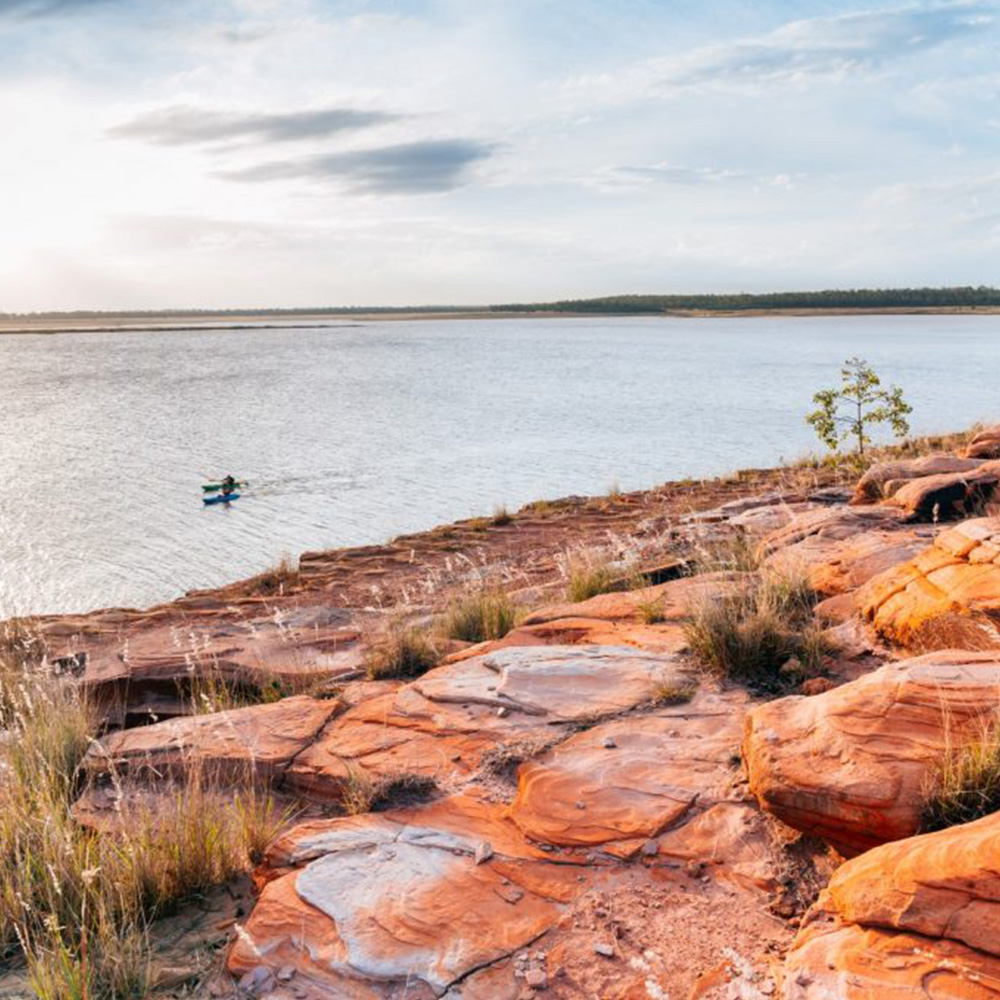
The Gemfields, Fairbairn Dam, Blackdown Tableland, and Carnarvon Gorge are spread across a large area, and attempting to visit more than one major attraction in a single day results in a rushed, superficial experience and a lot of windscreen time. The Gemfields alone deserve a full day — half a day for fossicking and half for the gem shops. Fairbairn Dam is best enjoyed as a relaxed half-day or full-day outing. Blackdown Tableland requires a full day including the 90-minute drive each way. Carnarvon Gorge is a full-day or multi-day excursion.
The fix is to give yourself enough time. A single night in Emerald is fine for a highway rest stop, but to experience the Central Highlands properly, plan three to five nights minimum. One day at the Gemfields, one at Fairbairn Dam, one for Blackdown Tableland, and optionally one or two for Carnarvon Gorge. This pace allows you to enjoy each experience without rushing and leaves room for the unplanned discoveries — a conversation with a gem cutter, a sunset at the dam, a detour down a road you had not planned to take — that are often the best parts of regional travel.
Mistake 3: Not Booking a Guided Fossicking Tour
First-time fossickers who skip the guided tour and head straight to the Gemfields independently almost always have a worse experience than those who book a guide. This is not because independent fossicking is not viable — it is — but because the learning curve is steeper than most people expect. Identifying rough sapphires, knowing where productive ground is, understanding the washing technique, and navigating the Gemfields layout all take knowledge that a guide provides in the first 20 minutes and that an independent fossicker may spend hours acquiring through trial and error.
The guided tour costs relatively little, typically includes all equipment, and dramatically increases both your chances of finding stones and your understanding of what you are doing. Once you have done a guided session, you have the knowledge base to fossick independently on subsequent visits. Think of it as an investment in all future fossicking rather than a cost for a single day.
Mistake 4: Eating Out Every Meal
Emerald has decent dining options, but the reality of eating at pubs and takeaway shops for every meal across a multi-day stay gets expensive, repetitive, and nutritionally poor faster than most people anticipate. By day three, you have tried the best steak at each pub, the novelty of takeaway has worn off, and you are spending $50 to $80 per day on food that is not making you feel great.
The fix is to book a self-contained room with a kitchenette and do at least some of your own cooking. A grocery shop at Woolworths or Coles on arrival gives you breakfast supplies, lunch makings for day trips, and dinner ingredients for the nights when you would rather eat in. This is not about avoiding Emerald’s dining scene — the pubs are worth visiting and the cafes serve good coffee — but about having the option to cook when you want to, rather than being dependent on restaurants for every meal.
Mistake 5: Driving at Dawn or Dusk Without Caution
Wildlife on the road is a genuine hazard in the Central Highlands, and it catches visitors from urban areas off guard because they have no frame of reference for encountering large animals on a highway. Kangaroos are the primary risk — they are abundant, unpredictable, and most active at dawn and dusk when visibility is reduced. A large kangaroo striking a vehicle at highway speed can cause catastrophic damage to the vehicle, serious injury to occupants, and is almost always fatal for the animal.
The fix is to avoid driving during the highest-risk periods (the hour after dawn and the hour before and after dusk) if possible. If you must drive during these times, reduce speed significantly, scan the road shoulders for movement, and use high beams when there is no oncoming traffic. If a kangaroo appears on the road, brake firmly in a straight line rather than swerving — swerving at speed often causes worse outcomes than a direct impact. And take the risk seriously: this is not a hypothetical concern in regional Queensland, it is a regular occurrence.