A Complete Guide to Fishing at Fairbairn Dam
A Complete Guide to Fishing at Fairbairn Dam
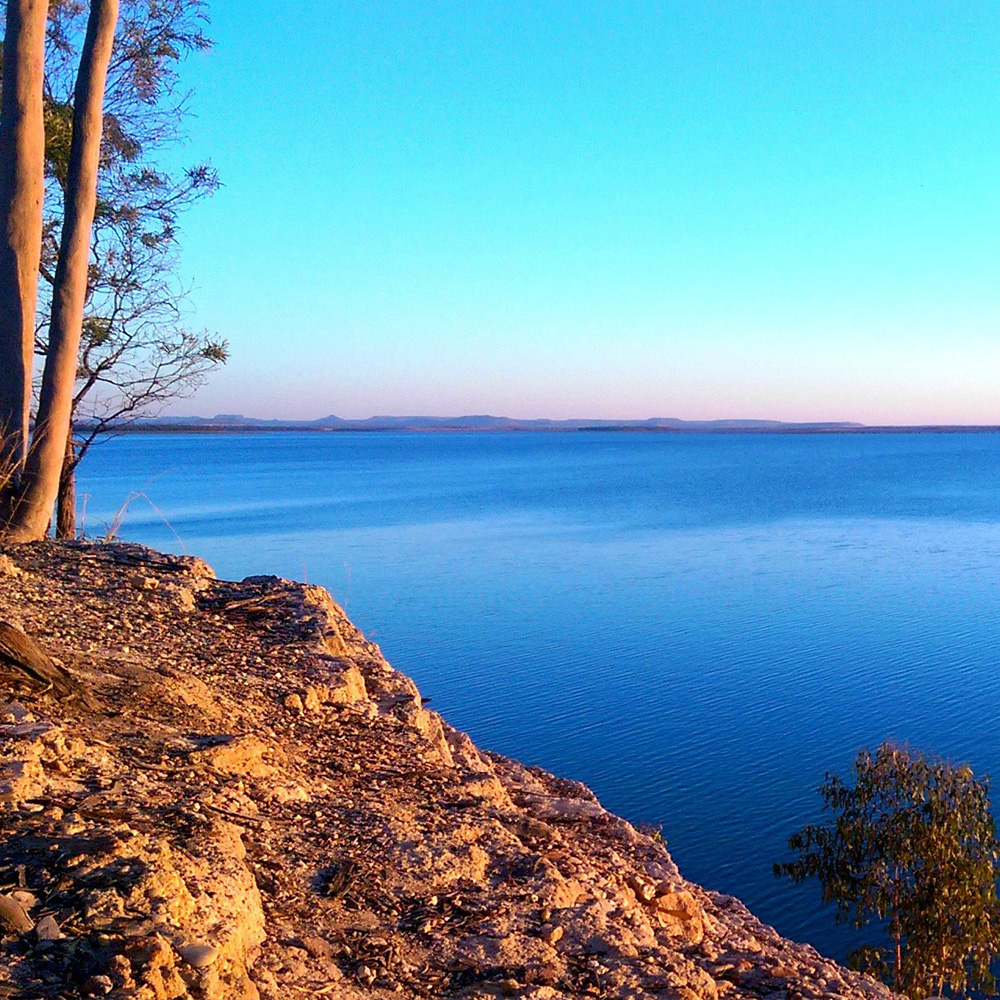
Fairbairn Dam has quietly built a reputation among inland anglers as one of Central Queensland’s best freshwater fishing destinations. The dam, which creates the expansive Lake Maraboon approximately 20 minutes south-west of Emerald, is stocked with barramundi and holds healthy populations of yellowbelly, red claw, and saratoga. For visitors to Emerald — whether you are here for work, passing through, or specifically seeking a fishing trip — the dam provides excellent fishing within easy reach of town, without the expense and logistics of a remote fishing expedition.
The Species
Barramundi are the headline species. Stocked by Queensland Fisheries over many years, the barra in Lake Maraboon grow to impressive sizes, with fish over a metre caught regularly. The minimum legal size is 58 centimetres, and the possession limit is five per person. Barra fishing at Fairbairn Dam is best from October to April when warmer water temperatures make the fish more active and aggressive. During winter, barra become lethargic and much harder to target, though they can still be caught by persistent anglers who know where to look.
Yellowbelly — also called golden perch — are the most consistent species in the dam. They are caught year-round, respond well to both bait and lures, and are excellent eating. Fish to 50 centimetres and above are common, with occasional specimens exceeding 55 centimetres. Yellowbelly are particularly well-suited to shore-based fishing, making them the ideal target for visitors without a boat. The minimum legal size and possession limits for yellowbelly should be checked against current Queensland Fisheries regulations before fishing.
Red claw — freshwater crayfish — can be caught using opera house nets (check current regulations for net limits, mesh size specifications, and any seasonal restrictions). They are a prized eating species and catching a feed of red claw for dinner is one of the simple pleasures of fishing at Fairbairn Dam. Saratoga — a spectacular-looking native species with large, iridescent scales — are present in the dam but are less commonly targeted by visiting anglers.
Where to Fish
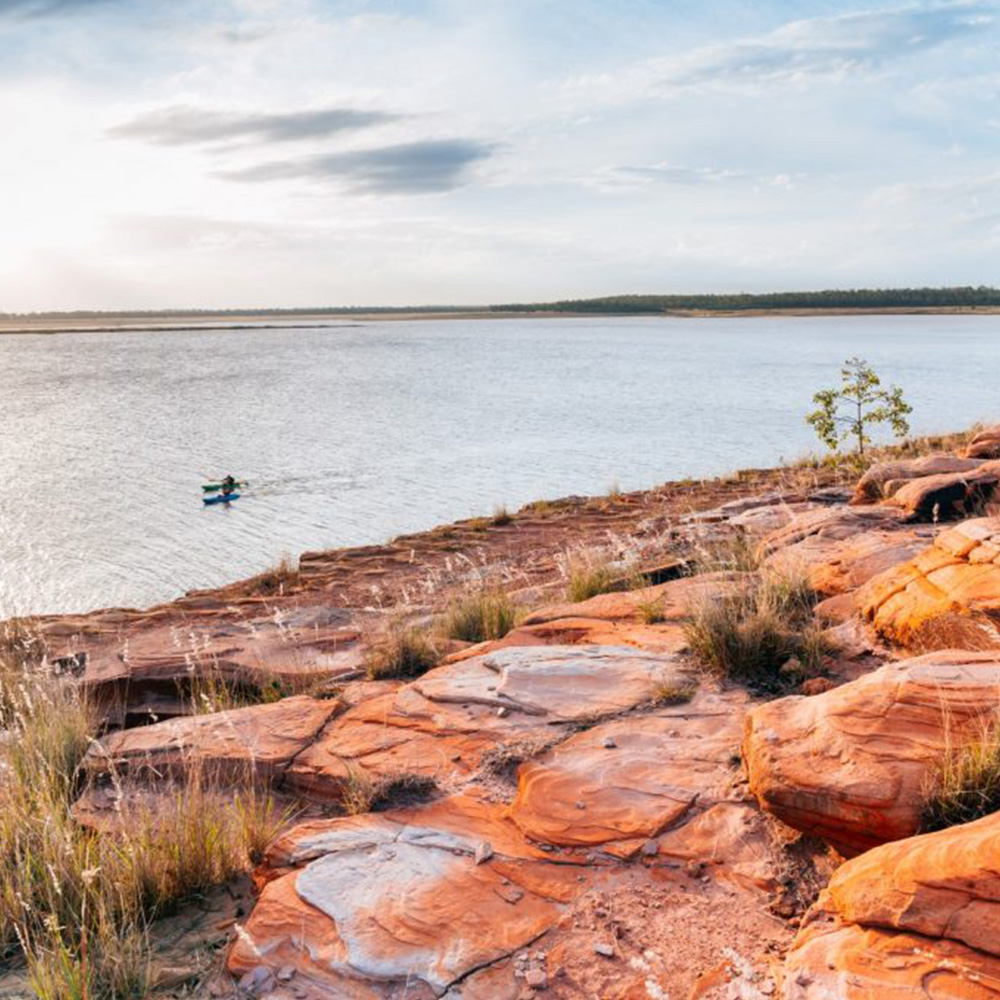
The dam wall area is the most accessible fishing spot and produces consistently for both shore-based and boat anglers. The rocky structure provides habitat for barra and yellowbelly, and the deeper water near the wall holds fish year-round. The rocky points and headlands around the lake’s perimeter are productive for lure casting, particularly during the warmer months when barra move into the shallows to feed. The shallower bays at the northern end of the lake hold bait fish and attract predators, making them productive areas during the warmer months.
For boat anglers, the drowned timber and submerged structure in the mid-lake areas hold fish that shore-based anglers cannot reach. Sounding and sonar equipment helps locate structure and fish concentrations. Trolling covers water efficiently and is a proven technique for barra in the dam. Casting lures around structure is effective for both barra and yellowbelly.
Tackle and Technique
For barra, a medium to medium-heavy spinning or baitcasting outfit in the 6 to 8 kilogram class is appropriate. Lures in the 100 to 150 millimetre range — diving hard-bodies, soft plastics, and spinnerbaits — are effective. Live bait (where legal and available) is also productive. For yellowbelly, a lighter outfit in the 3 to 6 kilogram class works well. Smaller lures, soft plastics, and bait (worms, yabbies, and shrimp) are all effective. Yellowbelly respond well to slow-rolled spinnerbaits and blade lures worked along the bottom.
Shore-based anglers should focus on the dam wall, accessible rocky points, and any areas where the shoreline provides access to deeper water or structure. A longer rod (7 to 8 feet) helps with casting distance from the bank. Bait fishing with a running sinker rig, a size 2 to 4/0 hook, and fresh bait is the simplest and often most effective approach for yellowbelly from shore.
Practical Considerations
A Queensland recreational fishing licence is not currently required for line fishing in freshwater impoundments, but this should be confirmed against current regulations before fishing. Bag limits, size limits, and equipment restrictions do apply and vary by species — check the Queensland Fisheries website for current regulations. Boat ramps at Fairbairn Dam are free to use and can accommodate most recreational boats. No boat hire facilities operate at the dam, so you need to bring your own watercraft.
Sun protection is critical — there is minimal shade on the water and along much of the shoreline. Insect repellent is necessary during the warmer months, particularly around dawn and dusk when the fishing is best and the mosquitoes are worst. Bring all food and water, as there are no shops or facilities at the dam itself. Start early in the morning for the best fishing and the most comfortable temperatures.
Combining Fishing with Your Emerald Visit
Fairbairn Dam fishing fits easily into a broader Emerald itinerary. A morning fishing session starting at dawn, returning to town by lunchtime, leaves the afternoon free for other activities or rest. For dedicated anglers, a full day on the dam is rewarding and the variety of species means there is usually something active regardless of conditions. The 20-minute drive from Emerald Inn makes it practical to fish for a few hours and still return to a comfortable, air-conditioned room with a kitchen to cook your catch — which is, after all, one of the best possible conclusions to a morning’s fishing.