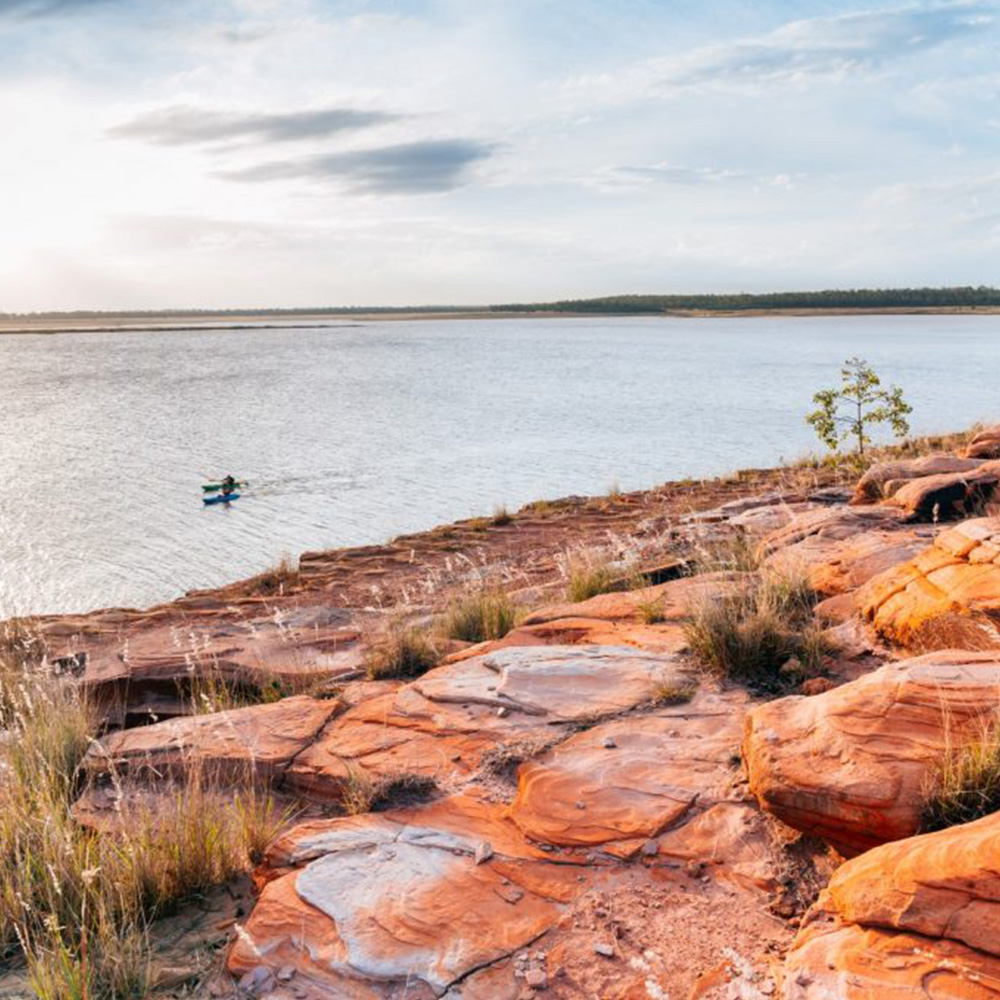
Birdwatching at Fairbairn Dam: A Spotter’s Guide
Dealing with Unexpected Challenges on Regional Visits
Regional travel plans often encounter friction: illness, injury, vehicle problems, weather, changes in circumstance. Handling these challenges pragmatically prevents small problems from becoming trip-ruining crises.
Minor Illness
A cold, mild gastroenteritis, or general malaise occasionally emerges mid-trip. The regional response: rest if possible, over-the-counter medication from the pharmacy, and reducing activity intensity rather than cancelling it entirely. A day of reduced activity in Emerald (cinema, cafes, reading) is preferable to full bed rest and often sufficient recovery. For more significant illness, contacting a GP is straightforward (pharmacies can recommend local GPs and arrange appointments). Plan around it: skip a high-activity day if needed, shift activities rather than cancelling them.
Minor Injury
Blisters from walking, minor sunburn, muscle soreness: these are common and manageable. Blister treatment from a pharmacy, sunburn care (aloe vera, loose clothing), and reducing intensity (fewer hours of activity the next day) are sufficient. The Emerald hospital has an emergency department for more serious injury (significant sprains, cuts requiring stitches, etc.), but minor injuries are managed with self-care and pharmacy advice.
Vehicle Problems
A flat tyre, overheating, or other vehicle trouble on a day trip is annoying but not catastrophic: call roadside assistance (if you have membership), or arrange a tow. For unsealed-road driving (Blackdown, some Gemfields access roads), driving slowly and checking vehicle condition (especially after rain) reduces risk. Carry extra water (for vehicle and personal use), fuel, and a basic toolkit. Mobile coverage is often available for emergency calls even without full network.
Weather
Heavy rain can make unsealed roads impassable or slow and muddy. Check conditions before heading to remote areas. Sudden rain mid-hike requires shelter (wait it out if possible) or early exit from the trail. Heat and dehydration are managed by carrying sufficient water and resting in shade. Extreme cold (winter early mornings) requires layers. Plan for weather variation and flexibility: some days you might shift activities or reduce intensity based on conditions.
Interpersonal Conflict
If travelling with others and conflict emerges, taking personal time (separate activities, separate meals) prevents escalation. Emerald’s size makes this possible: one person can go fossicking while another cafes in town. Shared activities are meaningful but not constant togetherness is healthy.
Emotional Fatigue or Homesickness
Extended regional travel sometimes produces emotional fatigue or desire to be home. This is normal and not a failure of the trip. Taking a low-key day (rest in your room, explore the town slowly rather than pursuing activities), connecting with people (cafe time, conversations with staff or guides), or even shortening the trip by one day if genuinely needed are reasonable responses. The best trips are those where you leave feeling enriched, not exhausted.
Communication and Connection
Emerald’s size and the relaxed pace mean that staff at your accommodation, guides you work with, and locals you encounter are generally helpful when problems arise. Explaining a situation to your accommodation manager or a guide frequently results in practical advice or assistance. The regional culture is practical and helpful about problem-solving.
When to Abort
Rarely, a problem is serious enough to end the trip early (serious illness requiring medical evacuation, significant vehicle damage, personal emergency). These are exceptional. Most challenges are manageable with flexibility, rest, reduced intensity, or minor adjustment to plans.
Resilience Through Flexibility
The key to handling challenges is flexibility. A detailed, inflexible itinerary is fragile. A flexible approach (3-4 options for each day depending on weather/mood/circumstance) is resilient. The goal is engagement with the region and personal enrichment, which can be achieved in multiple ways. Clinging to a specific plan when circumstances change produces frustration. Adjusting the plan produces good outcomes.