The Best Time of Year to Visit the Sapphire Gemfields
The Best Time of Year to Visit the Sapphire Gemfields
Timing your Gemfields visit correctly can be the difference between a comfortable, productive fossicking experience and an uncomfortable day of diminishing returns. The Gemfields are accessible year-round, but the conditions for fossicking, the comfort level for visitors, and even the likelihood of finding stones vary significantly with the seasons. Here is an honest assessment of each period and our recommendation for the optimal visiting window.
Winter (June to August) — The Sweet Spot
If you can choose when to visit the Gemfields, choose winter. Daytime temperatures at the Gemfields in winter typically range from 20 to 25 degrees — warm enough to be comfortable in a t-shirt, cool enough that physical activity does not become a battle against the heat. Mornings are crisp (sometimes genuinely cold, dropping below 10 degrees before sunrise) and the air is dry and clear, with that particular quality of outback winter light that makes the red earth and blue sky look almost surreal. The conditions allow sustained fossicking from early morning through to late afternoon without the need for extended heat breaks, which means more productive time at the diggings.
Winter is also peak tourist season for the Gemfields, which means that guided tour operators are running at full capacity, the gem shops are fully staffed and stocked, and the general atmosphere is at its most lively. The trade-off is that accommodation in Emerald should be booked in advance, particularly during school holiday periods in June and July. The Gemfields themselves can feel busier than at other times of year, though “busy” by Gemfields standards still means you can find a fossicking spot to yourself without difficulty.
Autumn (March to May) — The Local’s Choice
Many experienced Gemfields fossickers consider autumn — particularly April and May — to be the ideal time. The summer heat has broken, humidity has dropped, and the tourist crowds have not yet arrived. Daytime temperatures settle into the 25 to 30 degree range, which is warm but manageable with adequate water and sun protection. The ground conditions are often good, particularly if late-season summer rain has washed fresh material into the fossicking areas, and the gem shops and tour operators are available without the booking pressure of peak season.
Ag-Grow, Emerald’s major agricultural field day, typically falls in late May. If your visit coincides with Ag-Grow, accommodation in Emerald fills completely, so plan accordingly — either book well in advance or time your visit to avoid the event week.
Spring (September to November) — Good Conditions, Rising Heat
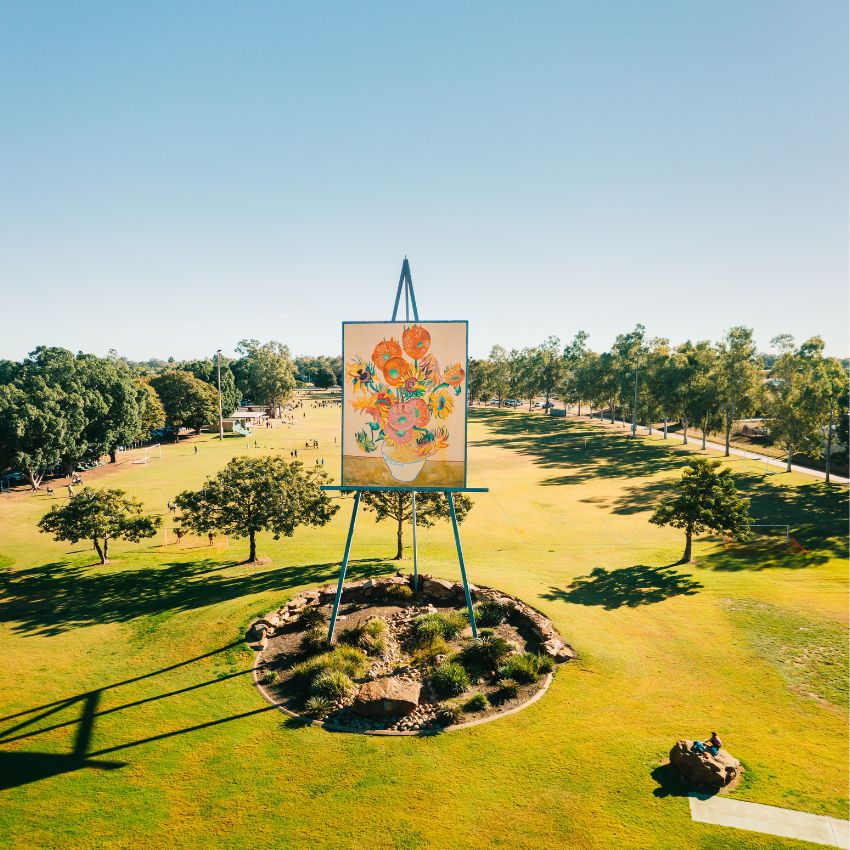
September and early October are pleasant for fossicking, with conditions similar to autumn — warm days, low humidity, and comfortable working weather. By late October and into November, temperatures begin climbing toward summer levels and the first wet season storms may appear. Spring visits work well if you are early in the season; later spring requires the same heat management strategies as summer. An unexpected bonus of spring is the sunflower season, when the plains around Emerald are covered in flowering sunflower crops — a spectacular sight that provides a scenic backdrop to the drive to and from the Gemfields.
Summer (December to February) — Possible but Challenging
Summer fossicking is for the dedicated. Temperatures at the Gemfields regularly exceed 35 degrees and can push past 40, with humidity adding to the discomfort. The sun is intense and direct, shade is scarce, and the physical work of digging and washing material becomes genuinely exhausting rather than merely tiring. If you fossick in summer, start at first light (around 5:30am), work through until 9 or 10am, and retreat to the shade or return to Emerald during the worst of the heat. A late afternoon session from 4pm onward can also be productive as the temperature eases.
The wet season brings periodic heavy rain that can make unsealed roads around the Gemfields muddy or impassable and can flood some fossicking areas. The upside is that heavy rain sometimes washes new sapphire-bearing material to the surface, and the Gemfields immediately after rain can be productive. But this is a gamble — you might also find that your planned fossicking area is a muddy swamp.
Our Recommendation
April to September is the optimal visiting window, with June to August being the best within that range. If you are planning a specifically fossicking-focused trip, aim for April or May if you want to avoid peak-season crowds, or June to August if you prefer the full-service, highest-activity period. If your Gemfields visit is part of a broader trip dictated by other scheduling constraints, any time of year works — you will simply need to adjust your approach to suit the conditions.