Photography Guide to the Central Highlands
Photography Guide to the Central Highlands
The Central Highlands offer genuinely excellent photography subjects. The landscape is diverse, the light is often dramatic, and the seasons create distinct visual opportunities. You don’t need expensive gear—attention to timing, location, and light matters far more.
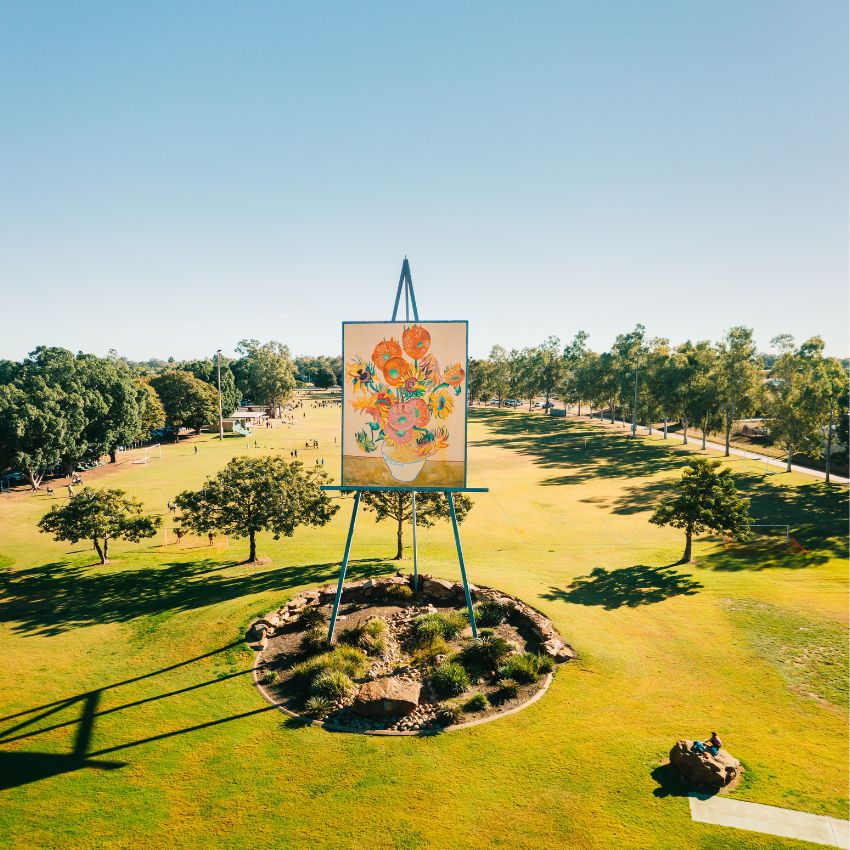
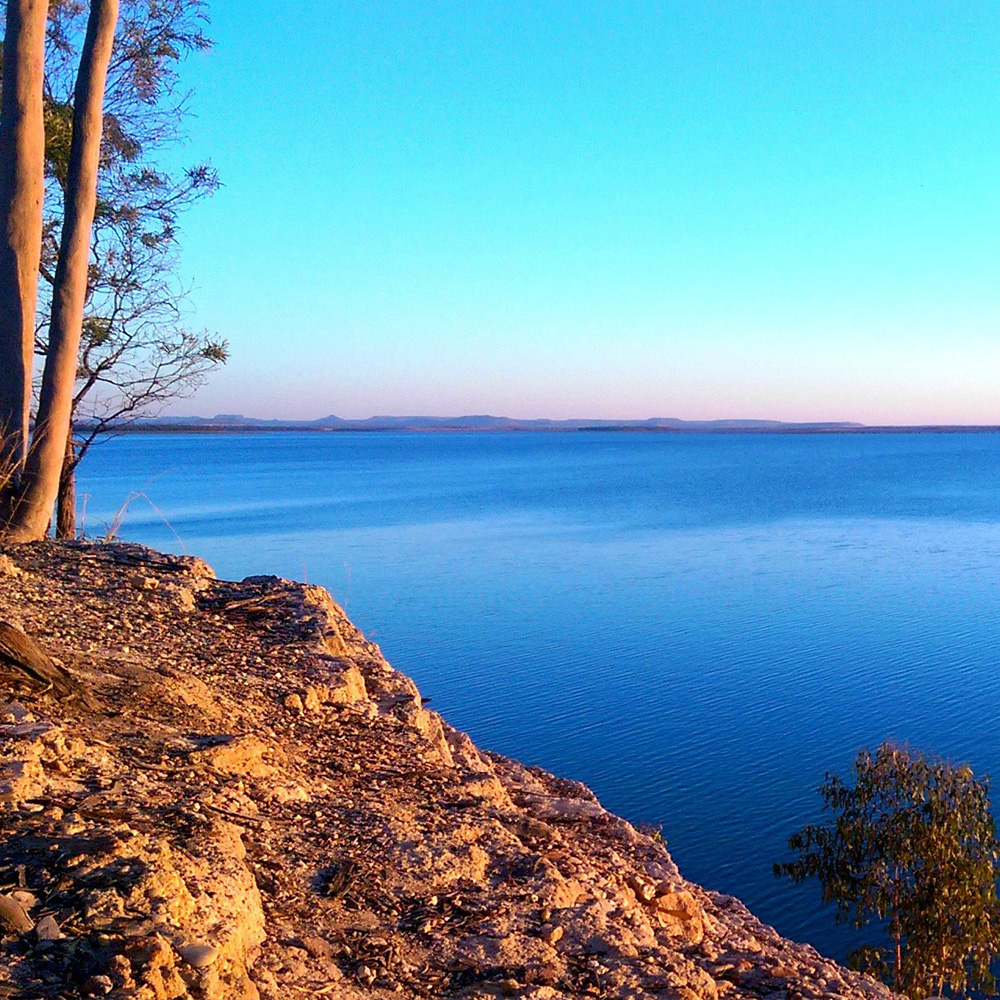
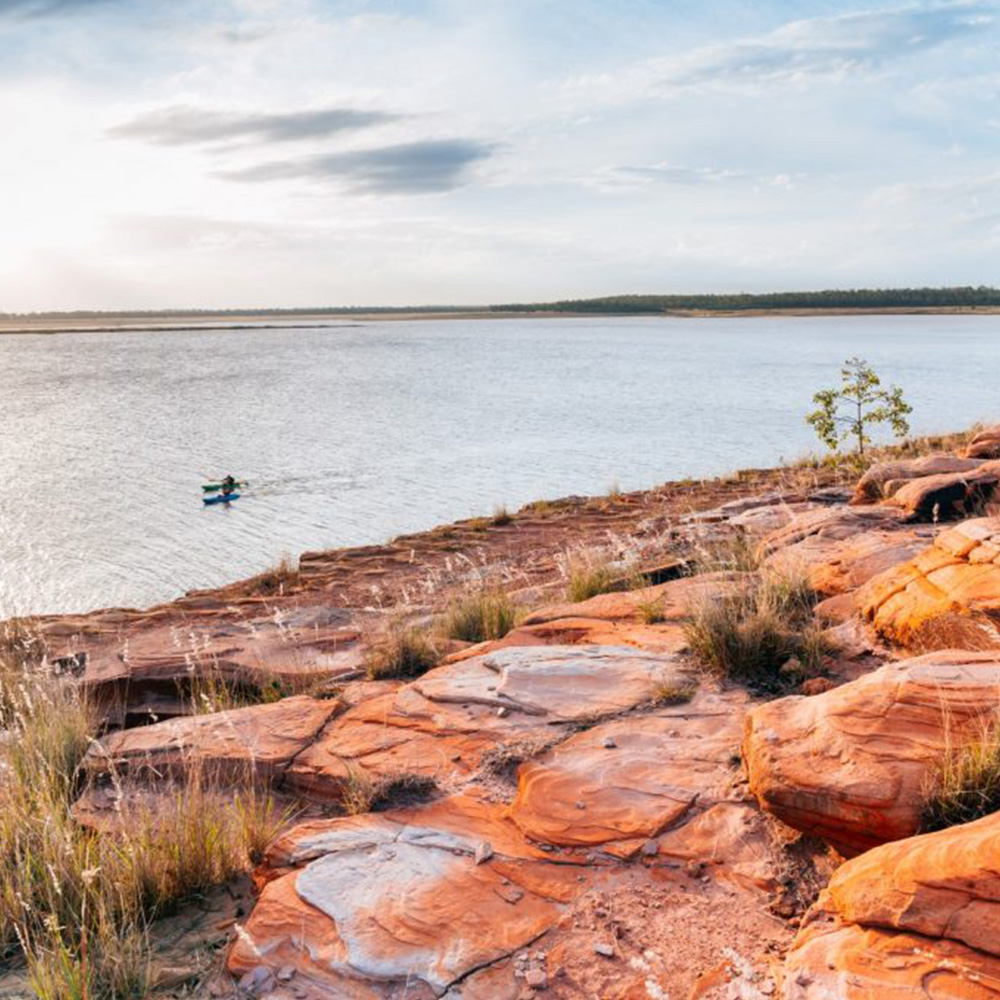
Best subjects: Carnarvon Gorge offers obvious drama—towering canyon walls, water, vegetation creating strong compositional lines. Fairbairn Dam provides water, light reflection, and wildlife subjects. The sunflower fields in season offer colour and repetition. Agricultural landscapes—grazing cattle against broad horizons—define the region. Smaller-scale details matter too: weathered farm buildings, geological formations, particular trees backlit by sun.
Light conditions: The inland location means relatively reliable clear skies. This is an advantage—predictable light is easier to work with. However, the harshness of overhead summer sun can be challenging. Winter light is superior for most landscape work—lower angle sun, warmer colour, longer golden hours. The dry season (May-October) offers clearer skies and better visibility generally.
Golden hour locations: The hour before sunset and after sunrise offers warm, directional light that transforms ordinary scenes. Fairbairn Dam with the sun low over water is exceptional. Carnarvon Gorge lit by morning sun creates stunning canyon wall definition. Driving roads on the town perimeters during golden hour—with grazing stock, trees, and open sky—creates genuinely striking images.
Seasonal opportunities: February-March brings sunflower fields—composition-heavy images of colour and repetition. Late afternoon or early morning light through sunflower fields is particularly good. Winter (May-August) offers clear light and Carnarvon Gorge at its most accessible. Summer (December-February) brings dramatic thunderstorms—the outback light before storms is distinctive and challenging.
Gear recommendations: A reasonable camera—modern smartphone or entry-level DSLR—is adequate. The key is understanding exposure, composition, and timing rather than equipment. Bring a polarizing filter; it significantly improves landscape photography. A tripod, even a small one, ensures sharpness and allows composed framing. Graduated neutral density filters help manage sky exposure in bright conditions.
Technical considerations: The bright inland sun requires exposure discipline—metering carefully to avoid blown-out skies or crushed shadows. Autofocus works fine, but manual focus benefits landscape work where you’re composing carefully. Shoot in RAW if your camera allows; this gives more flexibility in post-processing.
Specific locations: The viewpoint at Carnarvon Gorge offers several composition options. Fairbairn Dam’s picnic area provides good foreground-water-sky compositions. The road between Emerald and Rubyvale offers repeated opportunities for grazing landscapes. Drive the roads at golden hour and stop when scenes compel you.
The real advantage: Photograph in May-August when the light is consistent and the weather predictable. You’ll get better images in winter than summer simply due to light quality. Commit to golden hour—it’s the difference between snapshots and genuinely compelling images.
Avoid: High overhead sun (11 AM-2 PM). This creates harsh shadows and flattens depth. The colour palette is poorest midday. Plan your photography for morning or afternoon. Bring water, hat, and sunscreen—you’ll often be standing in open country for extended periods.