Blackdown Tableland: A Sandstone World Above the Plains
Blackdown Tableland: A Sandstone World Above the Plains
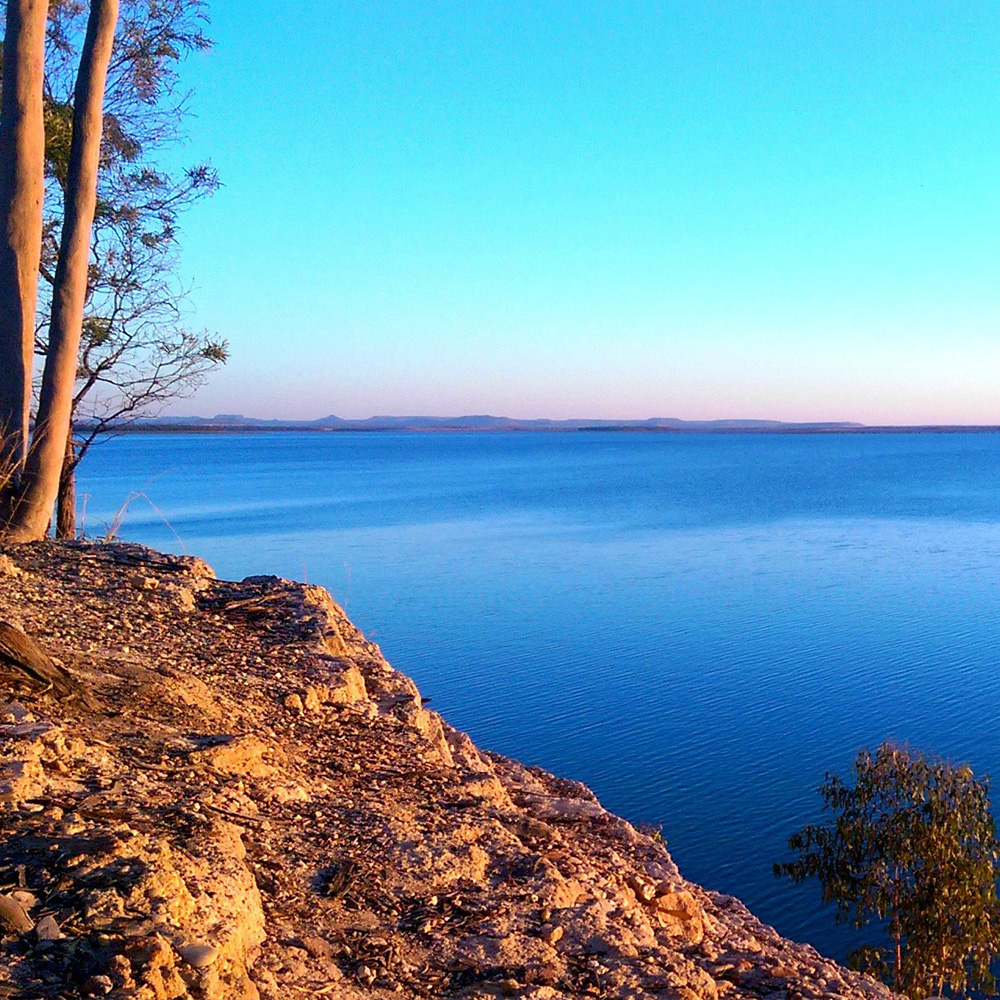
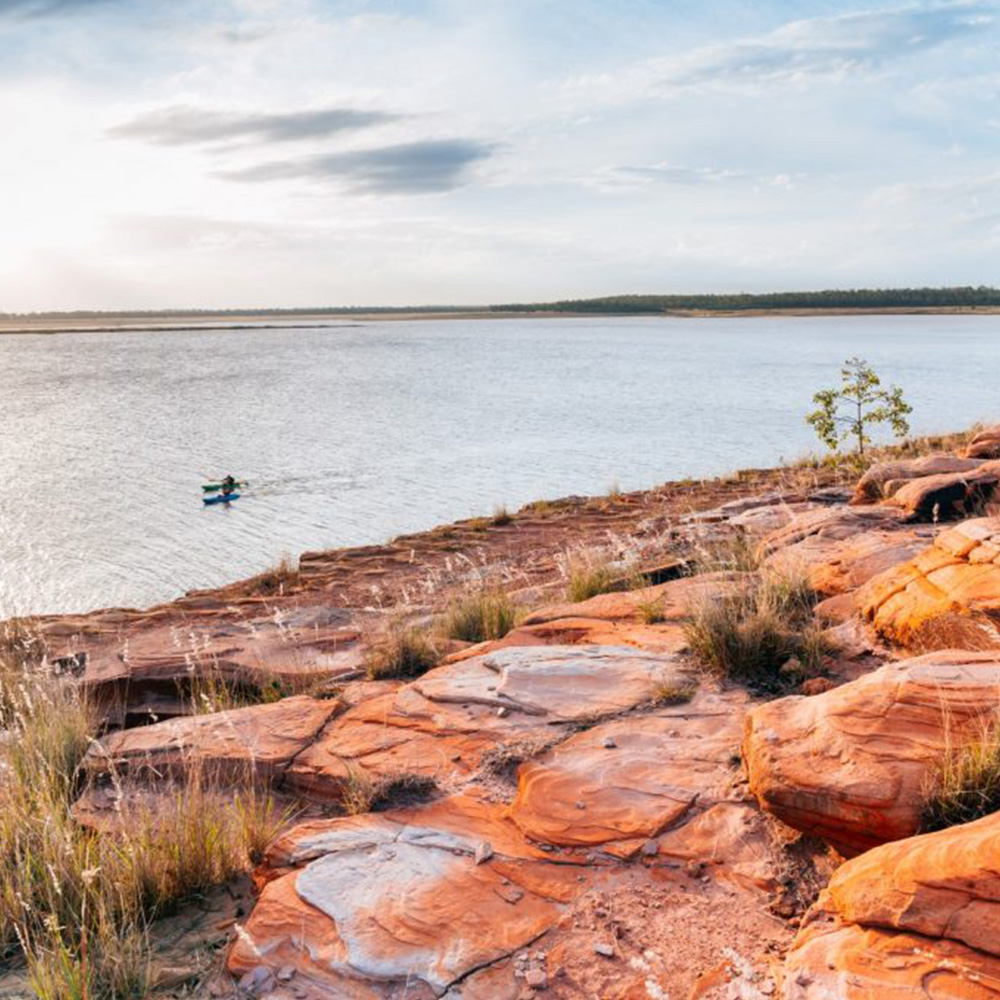
Ninety minutes south of Emerald, the country changes in a way that seems almost impossible. The flat pastoral plains of the Central Highlands, which stretch to the horizon in every direction with a monotony that can become hypnotic on a long drive, are interrupted by an abrupt wall of sandstone that rises 600 metres into the sky. This is Blackdown Tableland National Park — a geological anomaly and ecological island that supports plant communities found nowhere else on Earth, shelters Aboriginal rock art sites spanning thousands of years, and provides bushwalking experiences that rival anything in the better-known national parks of south-east Queensland.
The tableland is essentially a fragment of an ancient sandstone landscape that once covered much of eastern Australia. Erosion over millions of years removed the surrounding rock, leaving this elevated remnant standing above the younger soils and sediments of the plains below. The result is a microclimate radically different from the surrounding lowlands — cooler, wetter, and harbouring species that survived here after disappearing from the surrounding landscape as conditions changed. Walking on the tableland feels like walking in a different country, which, in ecological terms, you are.
The Drive Up
The access road to the tableland from the Capricorn Highway includes a steep, winding unsealed section that climbs the escarpment face. This section is the reason many visitors hesitate — the road is narrow, the drop-offs are genuine, and after rain it can become slippery enough to give even experienced drivers pause. In dry conditions, a standard vehicle with reasonable ground clearance will manage the climb, though 4WD provides a confidence margin that makes the experience more pleasant. A high-clearance vehicle is recommended. Check conditions before attempting the drive, particularly in the wet season, and allow time for the uphill climb if you are anxious about heights or steep roads.
Walks on the Tableland
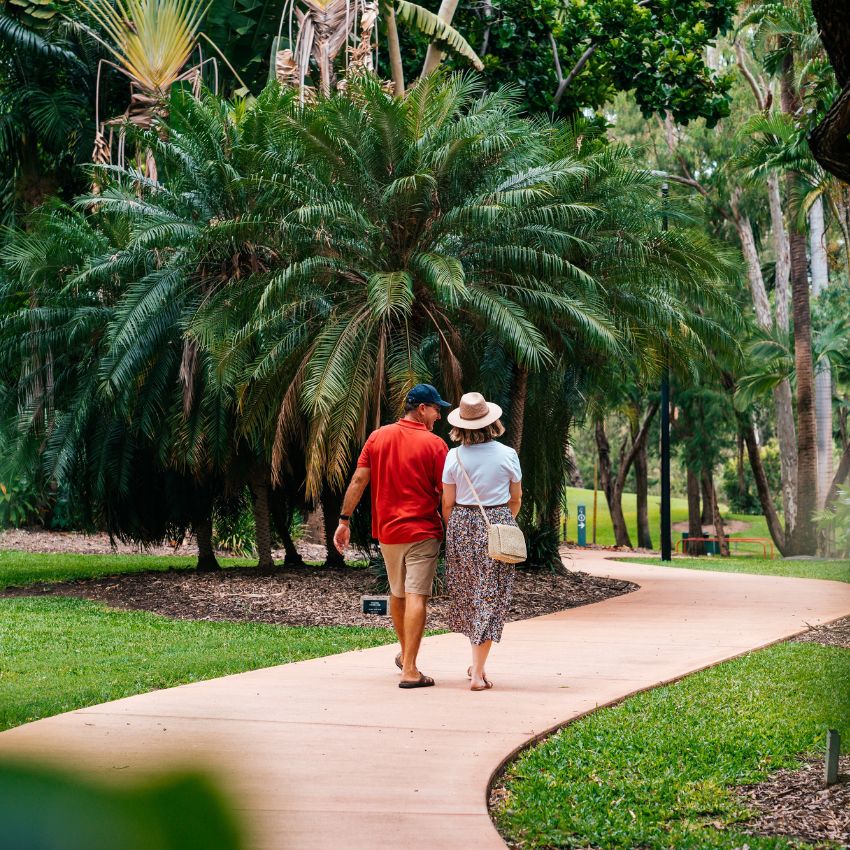
The park has several well-formed walking tracks. The Mainvale Loop Walk is a relatively short circuit (45 minutes) that provides a representative sampling of the tableland ecology — small waterfalls, rainforest pockets, fern grottos, and exposed sandstone. It is suitable for families with children and those with limited time.
The longer walks extend into more remote sections of the park and reward extra effort with deeper engagement. The Picnic Ground Circuit (two hours, moderate difficulty) extends beyond the most-visited areas, and the quieter conditions offer more opportunity to notice details — the specific plant communities, bird calls, and the acoustic quality of the fern-filled gullies — that make the tableland distinctive.
Bring water: 2 litres minimum. The tableland can be hotter and drier than expected in summer months, and exposed walking offers minimal shade.
Aboriginal Heritage
The tableland contains extensive rock art sites. Some of this is ancient (thousands of years old), and some is more recent. The park authorities protect these sites, and photography and precise location information are restricted to prevent damage. Aboriginal communities maintain connection to the sites and their significance.
When to Go
Autumn and winter (April to August) are optimal: cool temperatures, reliable sunshine, and low humidity make walking genuinely pleasant. Spring (September-October) is beautiful but can be wet. Summer (December-February) is hot, humid, and the steep climb can be uncomfortable. The drive up becomes problematic after heavy rain; check conditions before visiting during the wet season.
Getting There
Take the Capricorn Highway towards Taroom (southwest of Emerald). The turnoff is well-marked. The sealed highway section is approximately 90 kilometres. The unsealed section to the park facilities is a further 10 kilometres. Total drive time from Emerald: approximately 2 hours. Plan to spend at least three hours on the tableland (walk plus driving and park exploration).
Photography
The tableland’s varied ecology and dramatic escarpment views create genuine photographic opportunities. Fern grottos provide detail interest, the escarpment face offers landscape scale, and the broader ecosystem changes across the tableland create compositional interest. Morning and late afternoon light on the escarpment face are exceptional. A camera visit can easily extend a three-hour trip to five or six hours if you are engaged with the photographic possibilities.
Overrated vs Underrated
Blackdown Tableland is a genuinely world-class natural area that many Australia n visitors overlook in favour of better-marketed national parks. The experience is underrated relative to its actual worth. It is not overrated; the visitors who make the effort consistently report genuine delight with the experience. If you are willing to drive 90 minutes from Emerald and manage unsealed road concerns, Blackdown Tableland is an essential addition to your Central Highlands experience.