Carnarvon Gorge Day Trip from Emerald
Carnarvon Gorge Day Trip from Emerald — How to Visit One of Queensland’s Most Spectacular Natural Landscapes
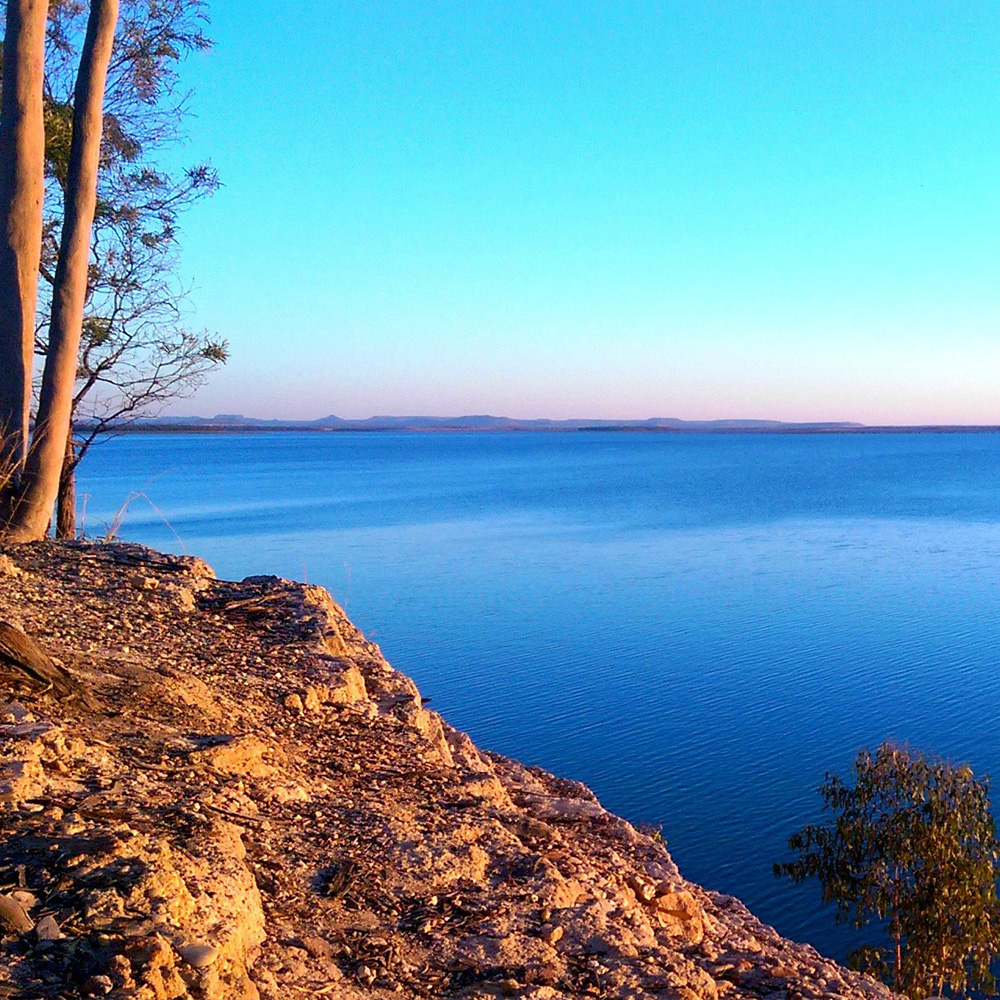
Carnarvon Gorge is one of Queensland’s most important natural and cultural landscapes — a 30-kilometre gorge carved into sandstone over millions of years, creating towering white cliffs, sheltered side gorges, and a microclimate that supports lush vegetation in a region otherwise characterised by dry woodland and open plains. The gorge is home to some of Queensland’s most significant Aboriginal rock art sites, including the Art Gallery, where hundreds of hand stencils, paintings, and engravings record thousands of years of Indigenous cultural practice. Visiting Carnarvon Gorge from Emerald requires planning — it is a genuine excursion, not a quick detour — but for visitors with a day or more to spare, it is among the most rewarding natural experiences in Central Queensland.
Getting to Carnarvon Gorge from Emerald
Carnarvon Gorge is approximately 260 kilometres south-east of Emerald, with the journey taking roughly three to three-and-a-half hours each way. The route heads south from Emerald through Springsure and then via the Dawson Developmental Road toward Rolleston before turning off toward the gorge. The road is sealed for the majority of the route, with the final section into the gorge on a maintained unsealed road that is generally accessible to standard vehicles in dry conditions. After significant rainfall, the unsealed section can become impassable, and creek crossings may be flooded. Always check road conditions before departing, particularly during the wet season (November to March).
A day trip from Emerald is achievable but demanding. Departing by 6am allows arrival at the gorge by 9 to 9:30am, giving you five to six hours for walking before needing to depart by 3 to 3:30pm for the return drive to Emerald before dark. This schedule works in the cooler months when daylight extends to around 5:30pm, but is tighter during winter months. Many visitors prefer to stay overnight at the Carnarvon Gorge camping ground or at Takarakka Bush Resort, which allows a more relaxed pace and the ability to tackle longer walks.
Walking Tracks and Highlights
The main Carnarvon Gorge walking track follows the gorge floor for 9.7 kilometres one way (19.4 kilometres return), with side tracks branching off to various points of interest. You do not need to walk the entire length — the track can be walked as far as time and fitness allow, and several of the most significant sites are within the first few kilometres. The track is well-maintained and relatively flat, following the creek through the gorge floor, though it involves numerous creek crossings (stepping stones in normal conditions).
The Art Gallery, approximately 5.6 kilometres from the car park, is the gorge’s cultural centrepiece — a massive overhanging rock face covered with Aboriginal stencils, paintings, and engravings spanning thousands of years. Hand stencils in ochre, charcoal, and white clay dominate, but the gallery also includes tool stencils, animal figures, and other cultural markings. The site is culturally significant and is managed with appropriate respect — visitors should stay on the viewing platform and not touch the rock art.
Other notable side tracks include the Moss Garden (a sheltered grotto where mosses, ferns, and liverworts create a miniature rainforest on the gorge walls), Cathedral Cave (another significant rock art site), the Amphitheatre (a natural chamber carved into the sandstone), and Ward’s Canyon (a narrow, towering slot canyon with king ferns growing from the walls). Each side track adds distance and time, so plan according to your available schedule.
What to Bring
Water is the most critical supply — bring a minimum of three litres per person for a full day of walking. The gorge can be surprisingly warm even in winter once you are walking, and dehydration is a real risk. Pack lunch and snacks, as there are no food outlets at the gorge. Wear comfortable walking shoes with good grip — the creek crossings require stable footing. A hat, sunscreen, and insect repellent are essential. Bring a camera — the gorge is photogenic throughout, and the Art Gallery and Moss Garden in particular deserve proper photographic attention.
Best Time to Visit
April to September offers the most comfortable walking conditions. Winter days in the gorge are pleasantly warm with cool, crisp mornings. Summer visits are possible but the heat can be intense, the humidity is high, and the wet season increases the risk of road closures and flooded creek crossings. School holidays (particularly the June/July break) are the busiest period — the gorge can feel crowded by Central Queensland standards, though nothing like a city park.
Frequently Asked Questions — Carnarvon Gorge
Is Carnarvon Gorge worth the drive from Emerald?
Unequivocally yes, if you have the time. It is one of Queensland’s premier natural attractions and the rock art alone justifies the journey. An overnight stay is recommended if possible, but a well-planned day trip works.
Can I take children to Carnarvon Gorge?
Yes. The main track is suitable for capable walkers. For younger children, the first few kilometres to the lower side tracks are accessible, and you can turn back when energy runs out. The Moss Garden is a particular favourite with children.
Do I need to book or pay an entry fee?
No entry fee is required. If staying overnight at the national park camping ground, booking and camping fees apply through the Queensland Parks and Wildlife Service.
Is there mobile coverage at Carnarvon Gorge?
Coverage is very limited to non-existent at the gorge. Download maps and any needed information before leaving Emerald. Let someone know your plans and expected return time.