About Emerald Queensland
About Emerald Queensland — A Complete Guide to the Central Highlands Regional Centre
Emerald is a regional centre of approximately 14,000 people in Queensland’s Central Highlands, located about 270 kilometres west of Rockhampton on the Capricorn Highway. It sits at the intersection of several important routes — the Capricorn Highway running east-west, the Gregory Highway running north-south, and the Fitzroy Developmental Road connecting to the northern Bowen Basin — making it a natural crossroads for travellers, workers, and freight moving through Central Queensland.
The town serves dual roles that coexist with surprising harmony. It is the primary service centre for the southern Bowen Basin coal mining industry, hosting the administrative functions, supply chains, and support services that keep one of Australia’s most productive coal regions operating. Simultaneously, it is the heart of an agricultural region that produces cotton, grain sorghum, sunflowers, citrus, table grapes, and cattle across the rich black soil plains of the Central Highlands. This dual economy gives Emerald a resilience that many single-industry regional towns lack, and it shapes the town’s character — practical, hardworking, diverse, and quietly prosperous.
A Brief History of Emerald
The traditional custodians of the land around Emerald are the Gayiri people, whose connection to the country extends thousands of years before European settlement. European exploration of the region began in the 1840s and 1850s, with pastoral settlement following. The town was officially proclaimed in 1879 and was named — according to local tradition — for the green appearance of the surrounding grasslands, though the more prosaic explanation is that it was named after an Irish property.
The arrival of the Central Western railway in 1879 transformed Emerald from a pastoral outpost into a regional transport hub. The railway connected the town to the coast at Rockhampton and eventually extended westward, carrying wool, cattle, and grain to the ports. Agriculture dominated the economy for the first century of European settlement, with cattle grazing and grain cropping forming the economic base.
The discovery and development of coal deposits in the Bowen Basin from the 1960s onward changed Emerald fundamentally. Mining brought population growth, investment in infrastructure, higher wages, and the economic dynamism — along with the boom-and-bust volatility — that characterises resource-dependent regions. The development of Fairbairn Dam in the 1970s provided irrigation water that transformed the agricultural sector, enabling cotton and other irrigated crops alongside the traditional dryland farming. Today’s Emerald is the product of these layered histories — Indigenous, pastoral, agricultural, and mining — and the town’s identity draws from all of them.
Economy and Industry
Mining and resources remain the largest economic contributor, with the Bowen Basin producing thermal and metallurgical coal for domestic and export markets. Mining employment — both direct and through the extensive contractor and service sector — drives a significant portion of the town’s economic activity and underpins the retail, hospitality, and services sectors that support the mining workforce.
Agriculture is the second pillar, and it is a more significant contributor than many people realise. The Central Highlands produce cotton (the region is one of Queensland’s largest cotton-producing areas), grain sorghum, wheat, sunflowers, citrus, table grapes, and cattle. Ag-Grow, the biennial agricultural field day held in Emerald, is one of Australia’s largest, drawing thousands of visitors and reflecting the scale and sophistication of the regional agricultural sector.
Government services — health, education, emergency services, and local government — form the third economic pillar. Emerald is the administrative seat of the Central Highlands Regional Council and hosts a range of state and federal government offices. The hospital, schools, TAFE, and CQUniversity campus all contribute employment and economic activity. Tourism, while not the dominant industry, is growing — driven primarily by the Sapphire Gemfields, Carnarvon Gorge, and the town’s position on touring routes through Central and Western Queensland.
Climate and Weather
Emerald has a semi-arid tropical climate characterised by hot summers and mild, dry winters. Summer (December to February) brings daytime temperatures that regularly exceed 35 degrees Celsius and occasionally push past 40, with high humidity and afternoon thunderstorms during the wet season. The wet season typically runs from November to March, and while rainfall is variable, heavy events can cause localised flooding and affect road access to some outlying areas.
Winter (June to August) is the most pleasant season, with daytime temperatures typically between 20 and 25 degrees, cool nights that can drop to 5 to 10 degrees, and reliably dry, sunny conditions. This is peak tourist season in the Central Highlands, coinciding with the best weather for fossicking, bushwalking, and general outdoor activity. The shoulder months of April/May and September/October offer warm but not oppressive conditions and are excellent for visiting.
Services and Facilities
Emerald is well-serviced for a regional centre of its size. Medical facilities include a hospital, multiple GP clinics, a dental practice, a pharmacy, and visiting specialist services. The town has primary and secondary schools, a TAFE campus, and a CQUniversity campus offering higher education. Supermarkets include Woolworths, Coles, and IGA, along with a range of specialty food shops. Retail includes hardware stores, clothing shops, automotive parts, and the general retail mix expected in a functioning regional centre.
The airport handles regular RPT services to Brisbane and connects to charter networks serving mine sites. Road freight and passenger bus services connect Emerald to the coast and to western Queensland. The town has modern sporting facilities including an aquatic centre, sporting fields, a golf course, and a gymnasium.
Attractions and Things to Do
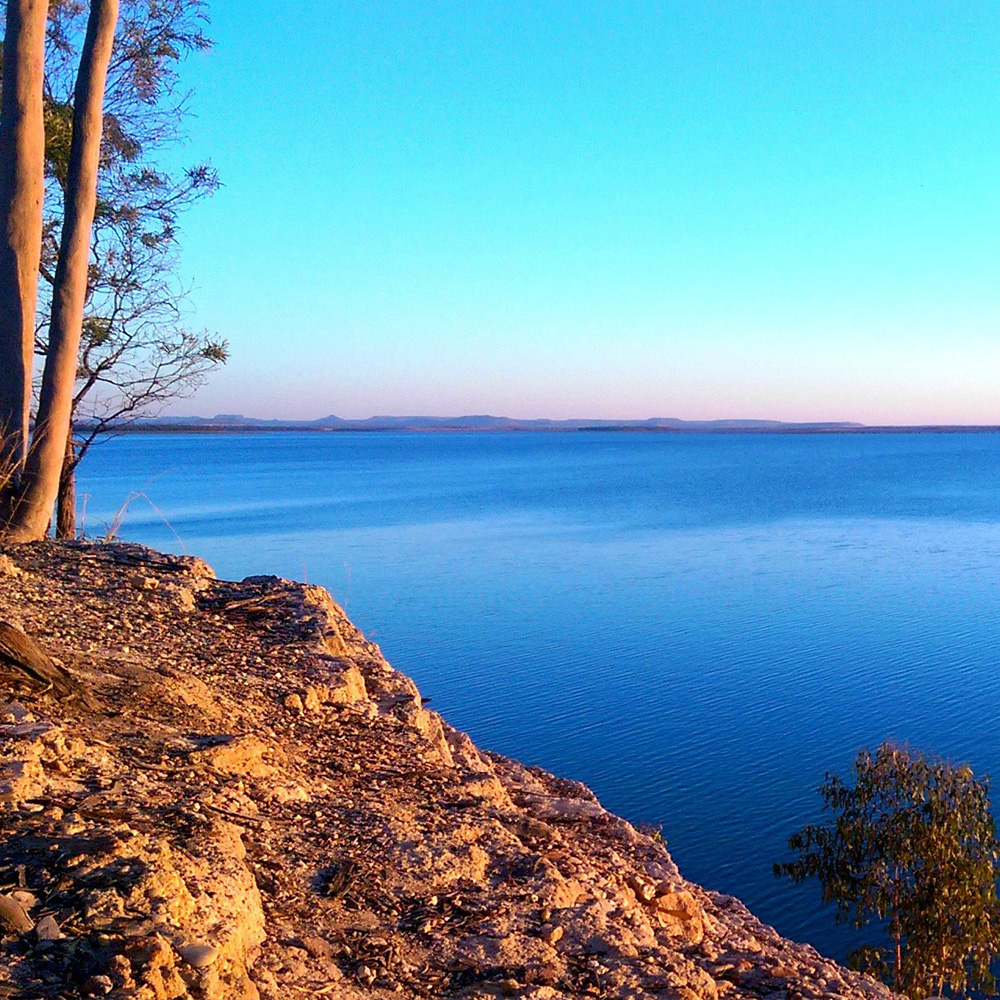
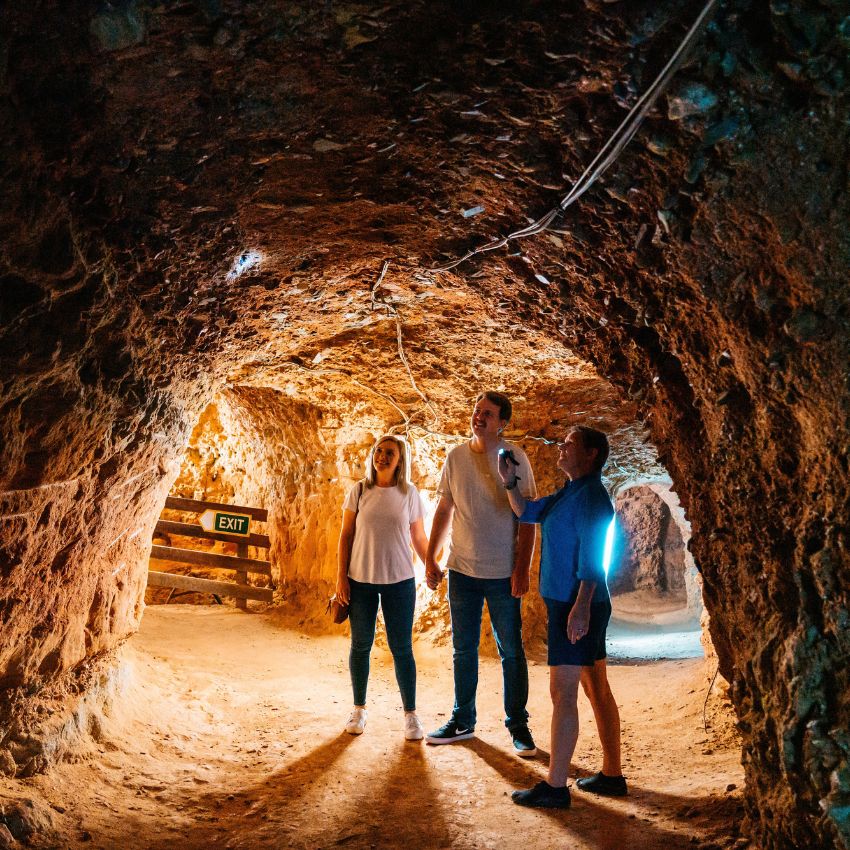
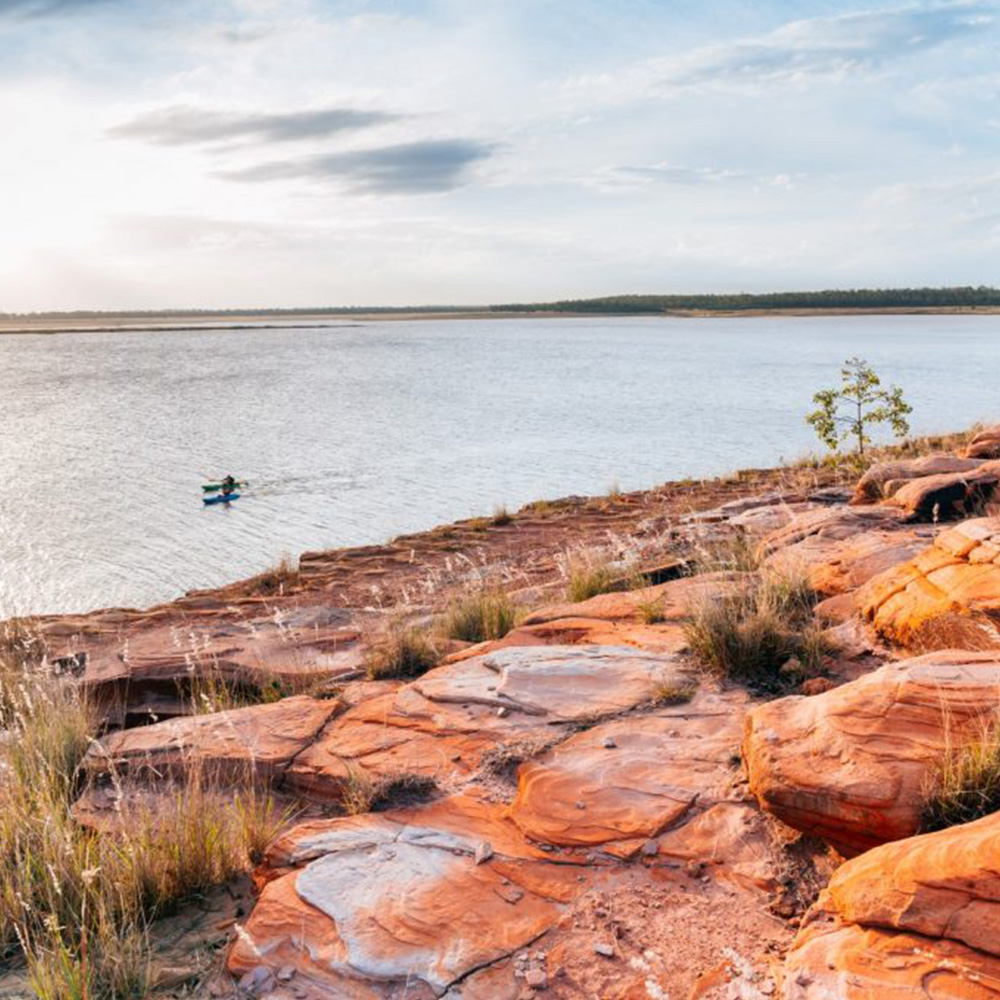
The Sapphire Gemfields at Rubyvale, Anakie, and Sapphire are Emerald’s premier attraction and one of Queensland’s most unique visitor experiences. Fossicking for sapphires — legally, with a licence — draws visitors from around the world. Fairbairn Dam and Lake Maraboon provide fishing, boating, and water-based recreation within 20 minutes of town. Blackdown Tableland National Park, approximately 90 minutes south, offers sandstone escarpments, waterfalls, and Aboriginal rock art in a landscape that feels utterly different from the surrounding plains.
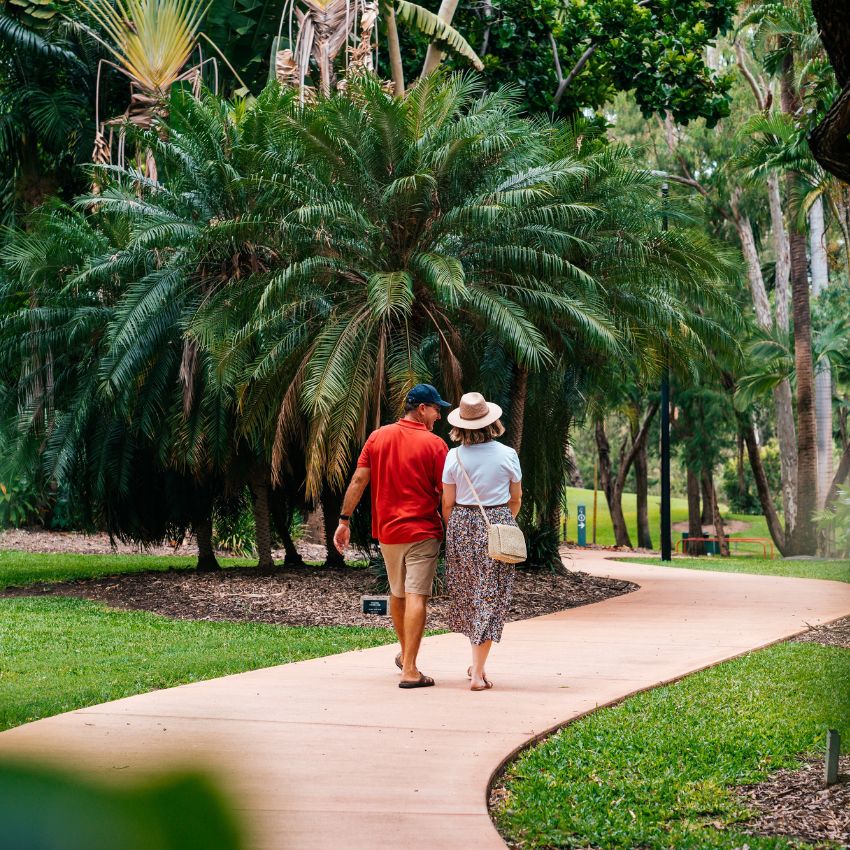
Carnarvon Gorge, while further afield (approximately three hours south-east), is one of Queensland’s most spectacular natural landscapes and accessible as a day or multi-day trip from Emerald. Within the town itself, the Emerald Botanic Gardens, the historical village, the aquatic centre, and the town’s cafes and pubs provide everyday amenities. Ag-Grow, the agricultural field day, and the Emerald Show are the town’s major annual events.
Frequently Asked Questions About Emerald
How do I get to Emerald?
By air, regular flights connect Emerald to Brisbane (approximately 90 minutes). By road, Emerald is 270 kilometres west of Rockhampton on the Capricorn Highway (approximately three hours), and about 900 kilometres from Brisbane (a full day’s drive). The road is sealed and well-maintained.
Is Emerald a good place to live?
For people who value regional living, Emerald offers a strong job market (particularly in mining and agriculture), good schools, adequate medical facilities, a close-knit community, and affordable living compared to capital cities. The trade-offs are limited dining and entertainment options, extreme summer heat, and distance from major cities.
What is the population of Emerald?
The town of Emerald has approximately 14,000 residents. The broader Central Highlands Regional Council area has around 29,000 people, spread across Emerald and surrounding communities including Blackwater, Springsure, Capella, and Tieri.